

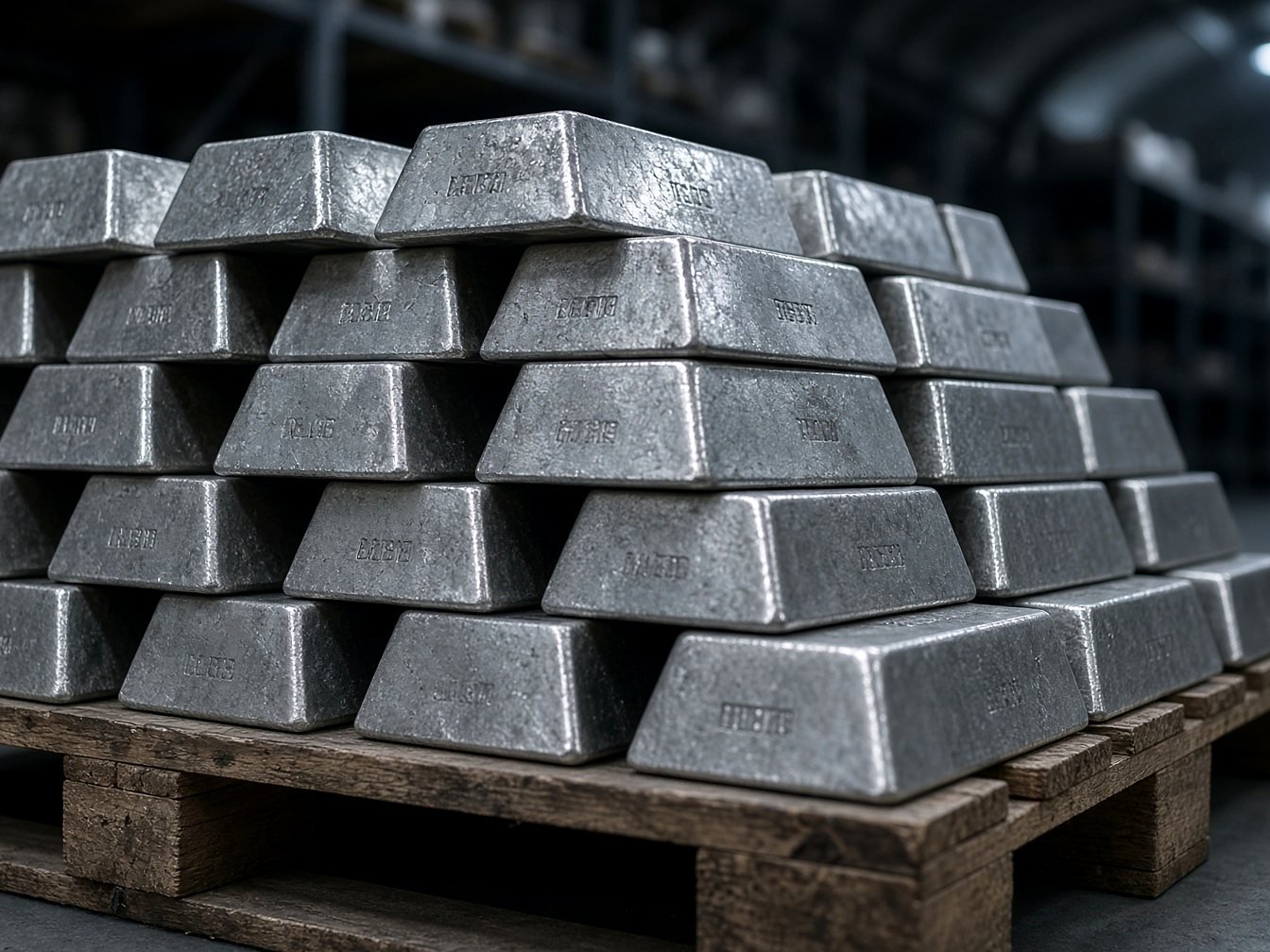
The silver squeeze 2026 is over, and the wreckage tells you more than the rally ever did. Silver crossed $100 for the first time and printed a January peak near $121 before collapsing. By late July it sat around $59. The retail crowd that piled in at the top got margin-called, sold their physical in record volume, and then stopped buying entirely. What’s left isn’t a movement. It’s a supply deficit that never cared about the memes in the first place. That distinction is the whole story.
What actually happened to the silver squeeze in 2026
Strip out the hype and the arc is textbook. Silver went into mania from December into January, panicked on a January 30 crash, bled through record retail selling from February to April, and then went quiet. Historic quiet.
CNBC put a name on it early. On February 3, the network framed silver as “GameStop in 2026,” describing how the market had “morphed into meme trading.” That framing was earned. At the January top, the SLV call/put ratio ran roughly 4.2 to 1 and RSI pushed above 95 before a reported one-day crash near 27%.
We’ll flag that last number honestly: the crash-magnitude figure comes from a low-reliability source cluster, and we treat it as directional color, not gospel. The direction, though, is not in dispute. Prices roughly halved from the late-January spike.
“GameStop in 2026: How the silver market has morphed into meme trading.” CNBC, February 3, 2026
The trigger for the top wasn’t a chart pattern. It was policy. The nomination of an inflation-hawk Fed chair on January 30 spooked the trade, and silver fell 47% from its peak to roughly $64 by February 6, per congress.net (July 6, 2026). Everyone who bought at $80, $100, or higher was suddenly underwater and staring at a leveraged position.
The margin call nobody wants to talk about
Here’s the snippet-ready version for anyone skimming: the silver squeeze of 2026 pushed silver from roughly $30 to a January peak near $121, then a hawkish Fed nomination cracked it. Retail bought the top, got margin-called, dumped physical from February through April, and by May stopped buying new coins altogether. The meme energy is spent.
The physical market told the same story the price did, just louder. When the January spike reversed, it triggered what one dealer-data source called the largest wave of long-term stacker selling in years. Buyback desks flooded. Refinery backlogs stretched. The wholesale channel seized.
The hard evidence:
- The U.S. Mint sold zero one-ounce American Silver Eagles in May 2026, the first zero month in the program’s 40-year history. April managed just 380,500 coins against a historical run-rate of 14 to 47 million a year (FindBullionPrices, 2026).
- By March 18, roughly 90% junk silver was trading at or below spot, with refiner payment delays running up to eight weeks (CoinWeek, March 18, 2026).
- Silver Eagle premiums sat around 15.6% over a roughly $60 spot in July 2026. That’s above pre-COVID norms but nowhere near the 88% panic premiums of 2020 to 2021 (FindBullionPrices, 2026).
Zero. Read that again. A product that moves tens of millions of ounces a year sold nothing for a month. That’s not apathy alone. It’s defection. 2026-dated Eagles carried 12 to 20% premiums, so stackers who still wanted metal rotated into random-year Eagles at 3 to 10%, generics near spot, and Maples or Philharmonics at 3 to 8%. Why pay the Mint’s markup when the guy in the forum classifieds is dumping at spot?
What the Reddit crowd is really saying (with a caveat)
We want to be straight about our sourcing here. The sentiment research behind this post could not directly access Reddit. No individual thread titles, scores, or URLs were verified. So when we describe the mood on r/WallStreetSilver or r/Silverbugs, we’re characterizing it from secondary evidence, mostly dealer data and news coverage, not from scrolling the subs ourselves.
With that stated plainly: the picture that fits the verified data is a community split down the middle. One camp feels vindicated. Silver did cross $100, exactly like the “Great Silver Squeeze” movement said it would. The other camp is coping with a drawdown, because being right about the destination doesn’t help if you bought the ticket at the peak.
The dealer-side evidence supports heavy sell listings and soft premiums across the peer-to-peer channels. Flippers who bought to sell higher got stuck. That’s consistent with the buyback flood the Mint data implies. But treat the specific subreddit color as inference, not fact, and verify it yourself before you repeat it as truth.
Does the physical deficit thesis still hold up?
Yes, and this is where the meme crowd and the fundamentals part ways. The squeeze narrative was always half right. The salesmanship was nonsense. The underlying supply math was not.
Silver has run consecutive annual deficits. Metals Focus, which authors the Silver Institute’s World Silver Survey, pegged the ongoing shortfall in the tens of millions of ounces, with 2026 forecasts landing in the 46 to 67 million ounce range depending on the cut. Industrial demand, led by solar and electronics, doesn’t check a subreddit before it consumes metal. That draw is structural. It kept pulling while retail was busy panic-selling.
So the thesis today looks different from the thesis in January. It’s slower. It’s quieter. It doesn’t fit in a rocket-emoji post. The deficit is real; the mania that got attached to it was borrowed energy, and that energy is gone.
The contrarian read: exhaustion is the setup
Here’s the uncomfortable part for anyone still hoping for another vertical spike. The best entry conditions rarely feel exciting. They feel like nothing.
Retail has left the building. Zero Mint sales plus junk silver below spot plus premiums back toward pre-COVID levels equals a washout. Rick Rule, who sold most of his physical silver above $100 early in the year, has been blunt about what he thinks of the aftermath.
“The circumstance that confronts us now is a gift from God… I’m delighted that this price weakness across the board is happening.” Rick Rule, Liberty and Finance interview, June 29, 2026
StoneX’s Rhona O’Connell put the same idea in cooler language on July 10, 2026: “Weak handed and speculative holders have been washed out.” When the last flipper has capitulated and the coin shops can’t give inventory away, the marginal seller runs out. That’s not a guarantee of higher prices. It’s the removal of the crowd that made the last top so violent.
MKS PAMP’s Nicky Shiels went further on the upside case, arguing the January high “can absolutely be revisited.” We’d add our own caution: revisiting $120 and doing it in a straight line are very different things, and anyone selling you a repeat of January is selling the same story that just blew up a lot of accounts.
Our read is simple. The silver squeeze 2026 died as a meme and survived as a deficit. If you’re a patient buyer who wants metal rather than a lottery ticket, exhaustion is exactly the environment you were supposed to be waiting for. If you want another moonshot to trade, the fuel for that is spent, and it may stay spent for a while. For a fuller price view, see our silver price forecast 2026, and if you’re building a position from here, start with how to buy silver.
Frequently asked questions
Is the silver squeeze over in 2026?
As a retail-driven trade, yes. Silver peaked near $121 in late January, crashed after a hawkish Fed nomination on January 30, and fell 47% to about $64 by February 6 (congress.net, July 6, 2026). By May the U.S. Mint sold zero Silver Eagles, the clearest sign the meme buyers had exited.
Why did the U.S. Mint sell zero Silver Eagles in May 2026?
It was the first zero month in the program’s 40-year history (FindBullionPrices, 2026). Two things collided: retail stopped buying after getting burned in January, and buyers who still wanted metal defected to cheaper products because 2026-dated Eagles carried 12 to 20% premiums versus generics near spot.
Is the physical silver deficit still real?
Yes. Silver has run consecutive annual supply deficits, with 2026 estimates in the 46 to 67 million ounce range per Metals Focus and the Silver Institute. Industrial demand from solar and electronics keeps drawing metal regardless of retail sentiment. The deficit outlived the meme.
Is now a good time to buy silver after the crash?
Contrarians argue that retail exhaustion, zero Mint sales, and junk silver below spot mark a washout, which historically favors patient buyers. That’s a case, not a promise. Silver is volatile and could fall further. This is analysis, not advice.
Can silver return to its January 2026 high?
Some analysts think so. MKS PAMP’s Nicky Shiels said the January high above $120 “can absolutely be revisited” (deVere, June 15, 2026). The deficit supports higher prices over time, but a fast repeat of January’s spike is a different and riskier bet.
By the Commodities Unfiltered desk. Last updated July 2026.
This is market analysis, not investment advice.
Leave a Reply