Silver
Why Are Silver Eagles So Expensive? Premiums Explained
Why are Silver Eagles so expensive? The 2026 premium runs 15%+ over spot. Here's what drives it, why it moves, and cheaper coins that hold the same silver.


Silver
Why are Silver Eagles so expensive? The 2026 premium runs 15%+ over spot. Here's what drives it, why it moves, and cheaper coins that hold the same silver.
 Au
Au
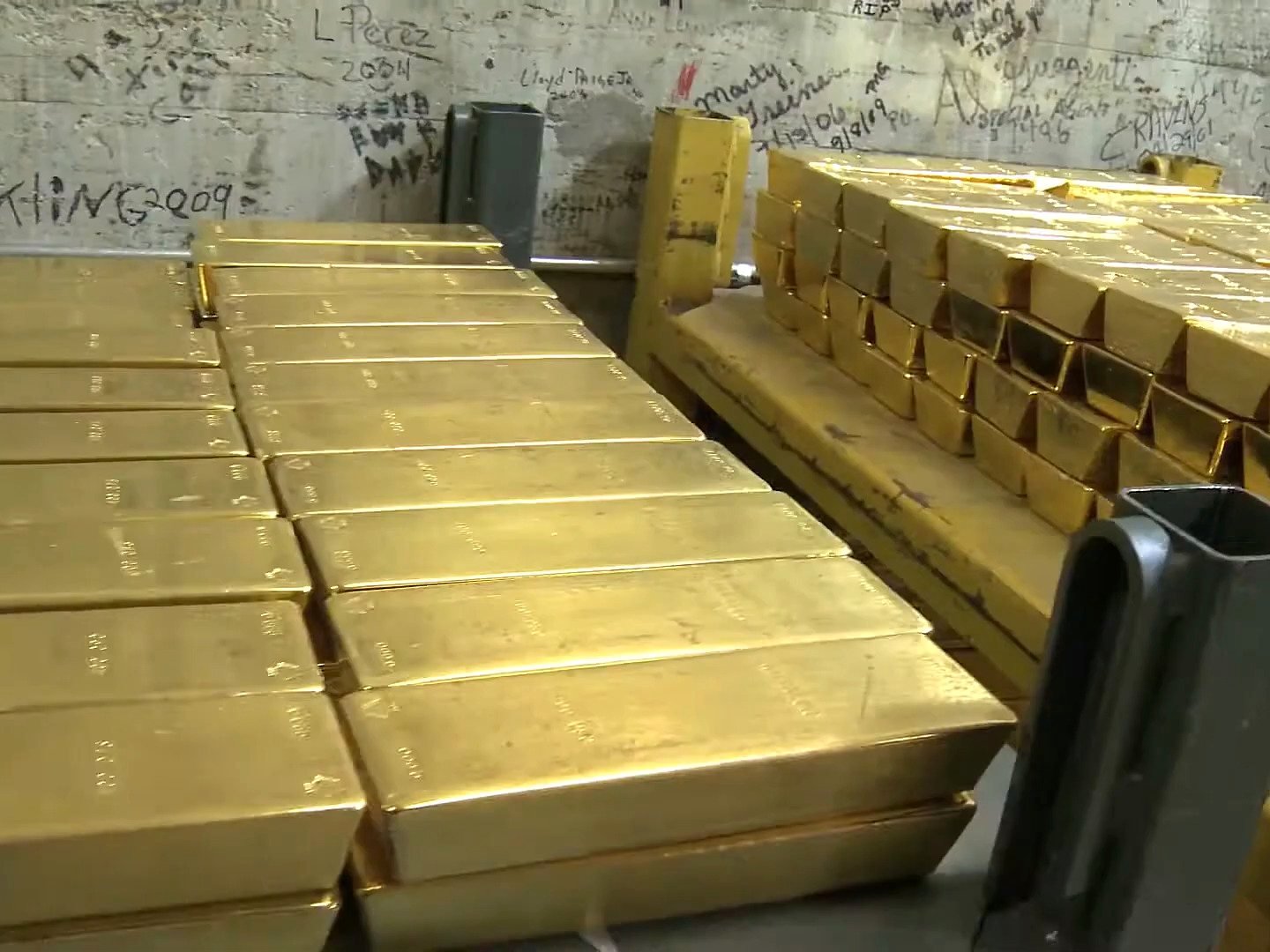
The monetary metal. Central banks are buying, and the cost of digging it up keeps rising.
14 articles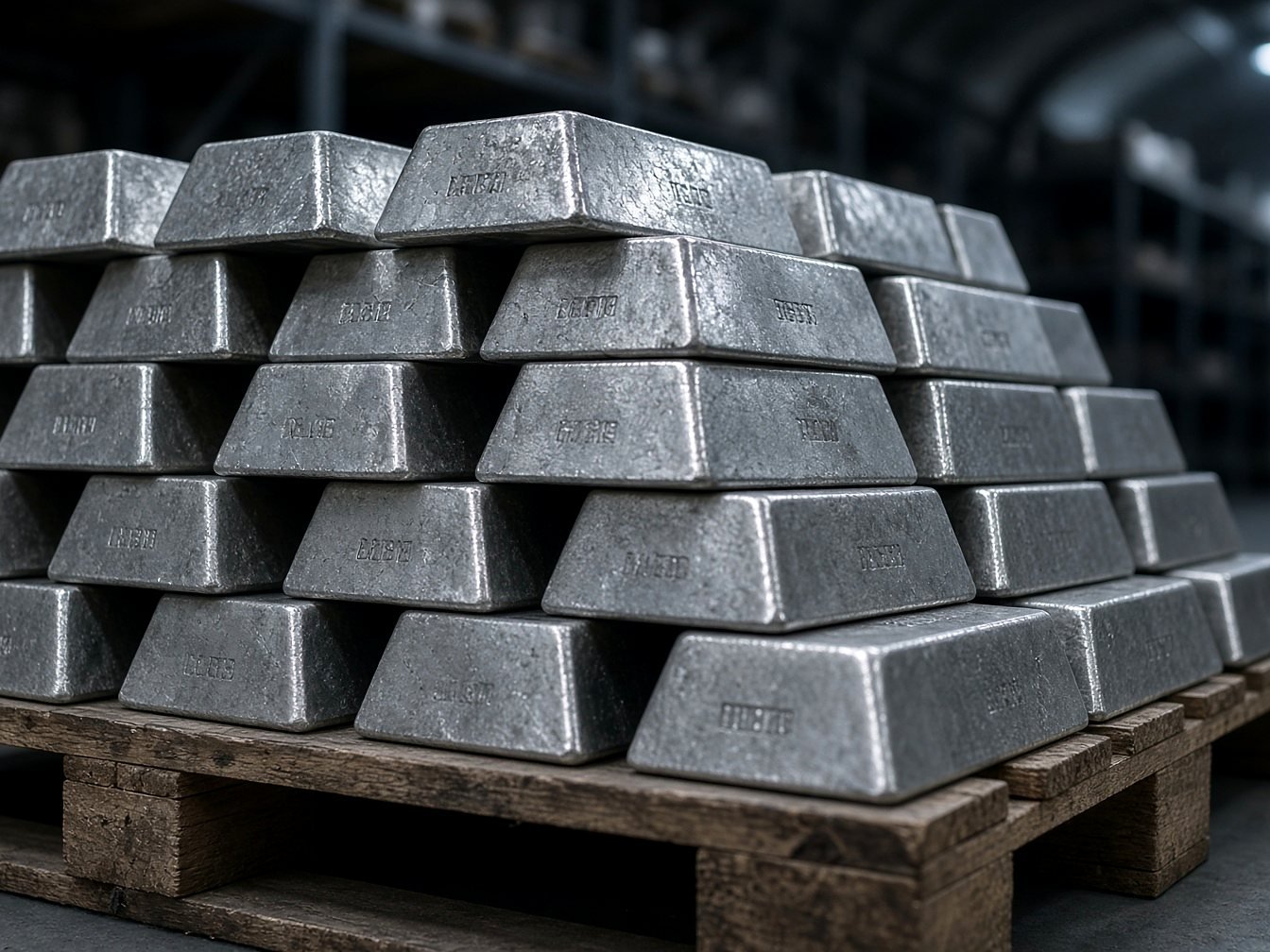 Ag
Ag
Half precious metal, half industrial input. Solar alone now eats a huge share of supply.
9 articles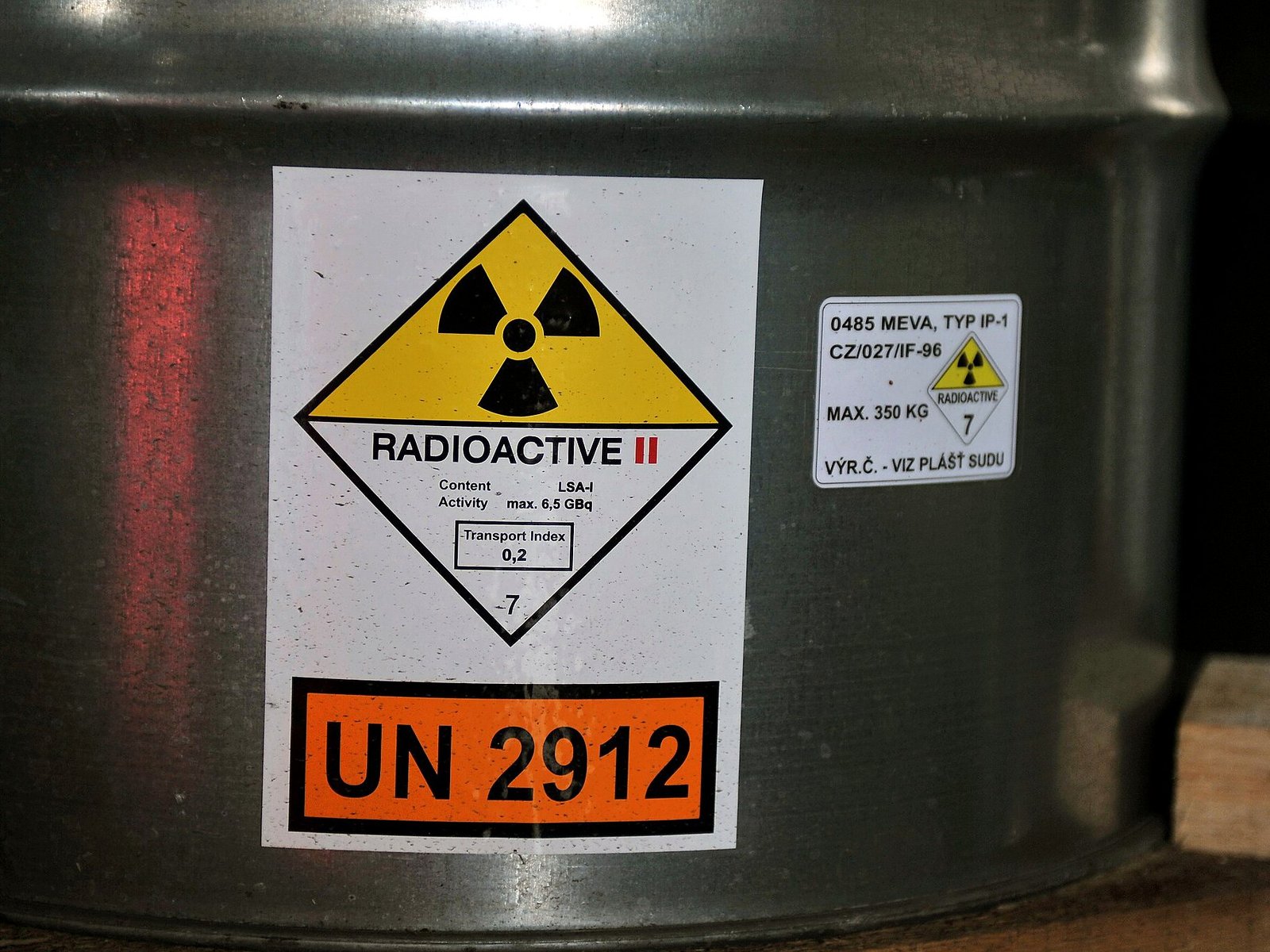 U
U
The nuclear restart meets a decade of underinvestment. Producers are in no hurry to flood the market.
2 articles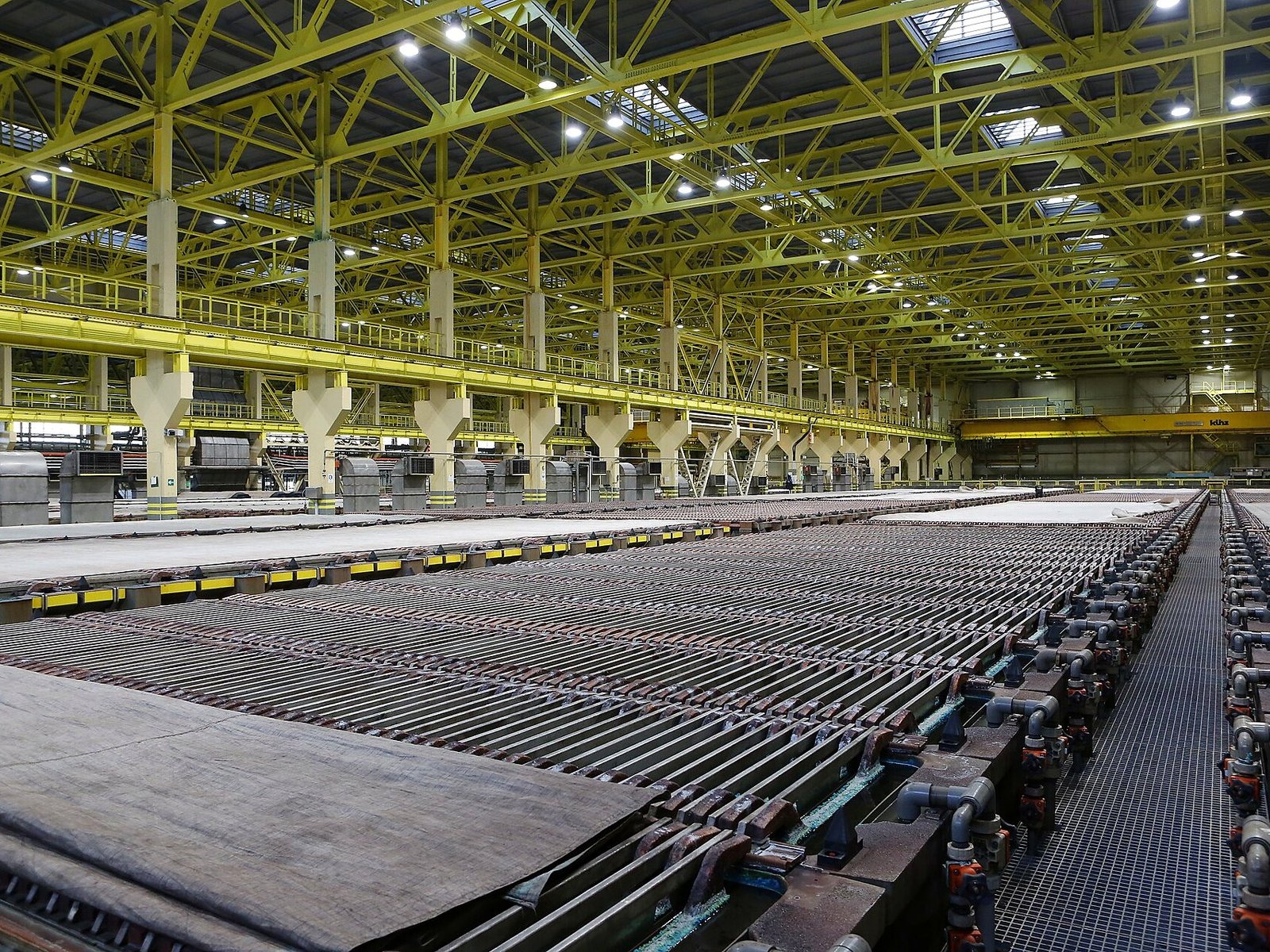 Cu
Cu
The electrification metal. Ore grades are falling just as the grid, EVs and data centres need more of it.
Coverage coming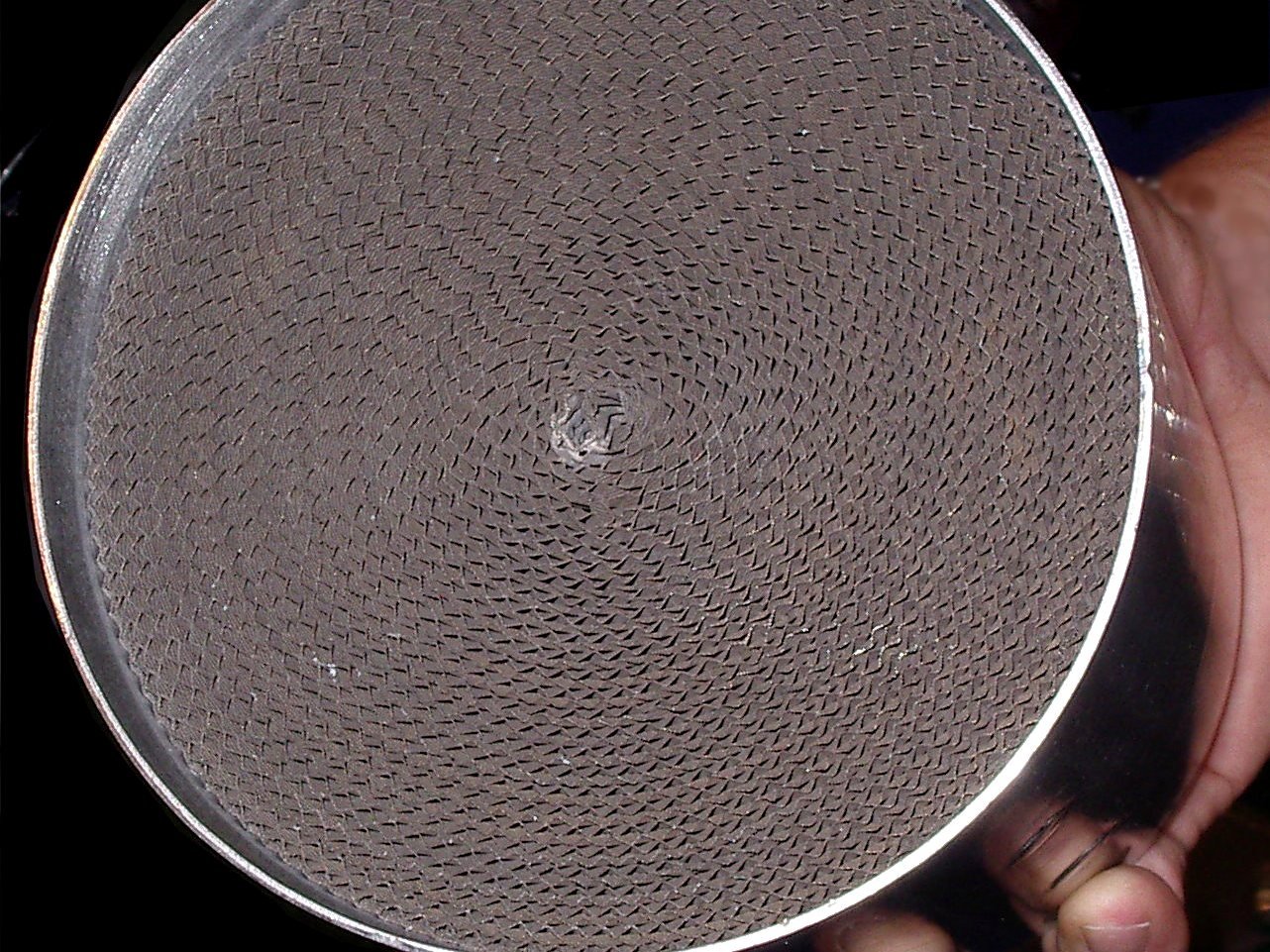 Pt
Pt
Platinum, palladium and rhodium, priced below what it costs to bring new supply on.
1 article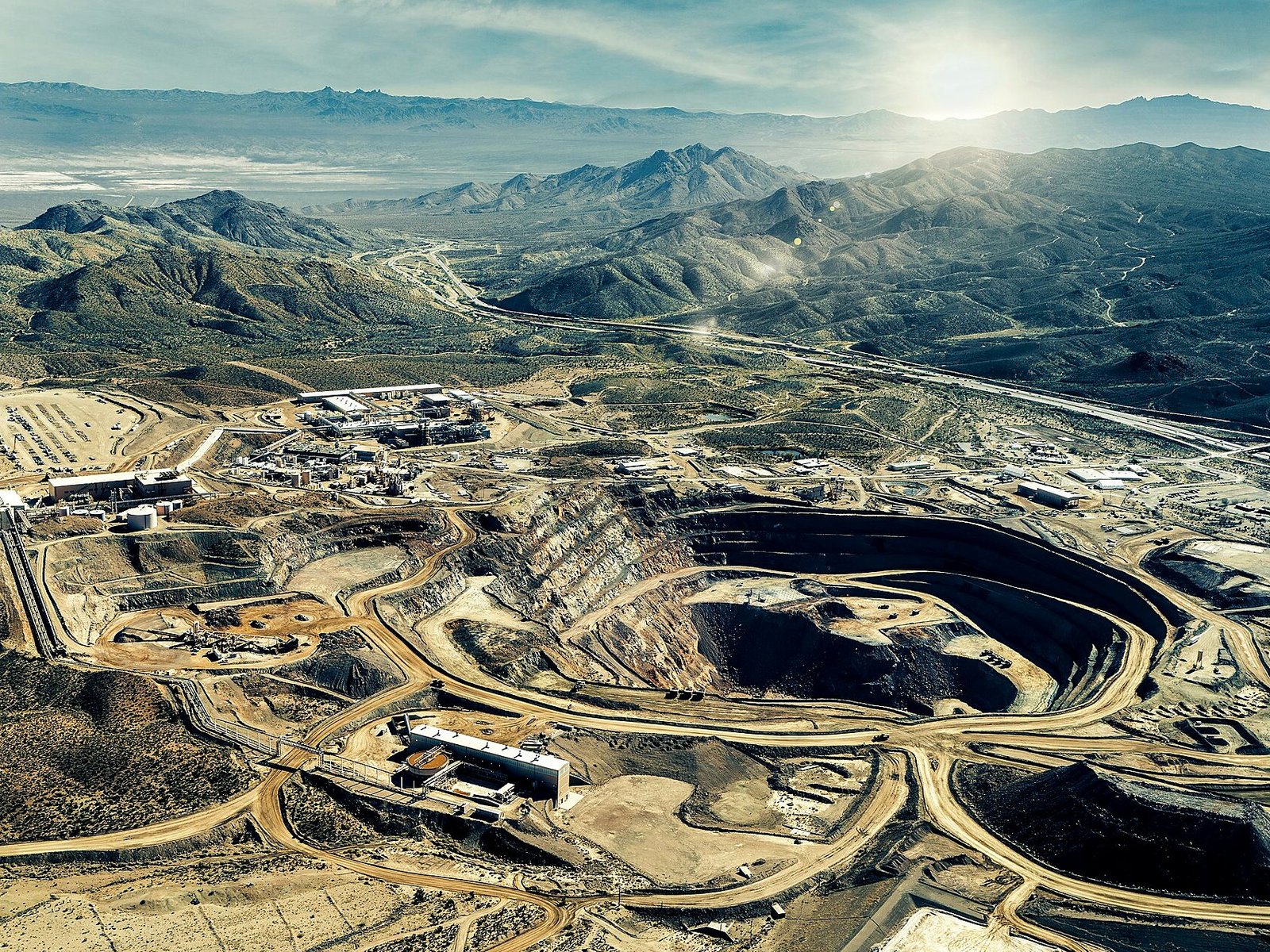 Nd
Nd
Magnets for motors and turbines. Mining is the easy part; separating and refining is what China controls.
Coverage coming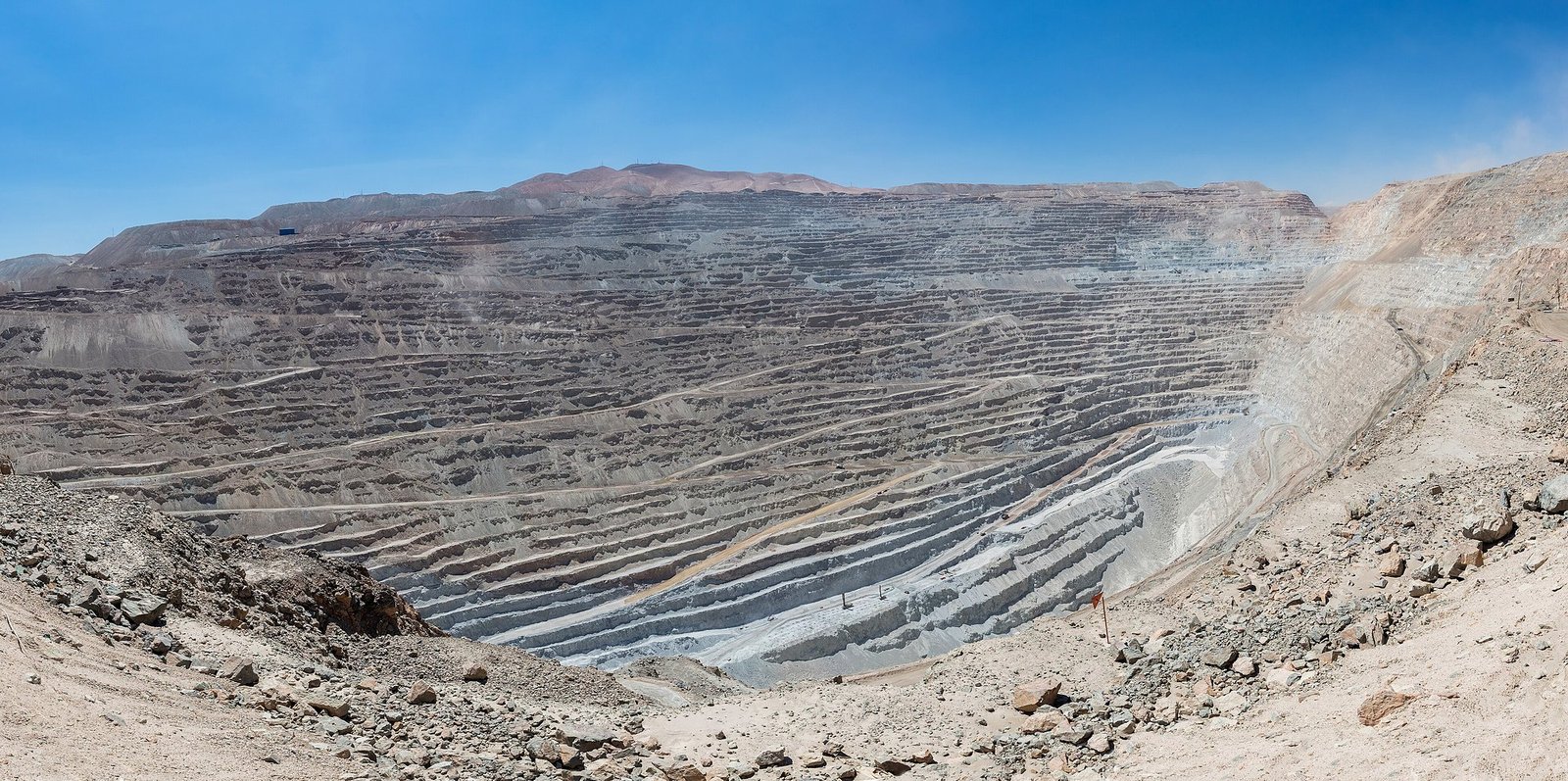
Why these metals, why now
The grid, EVs, data centres and a nuclear restart are all pulling on the same pile of metal, and for most of the last decade nobody built the mines or refineries to supply it.
So you get deficits, or prices that sit below what it would cost to open the next mine. Copper grades are falling. Uranium producers would rather hold output than chase spot. Silver is mostly a byproduct, so higher prices don't bring much new supply. And the hard part of every chain, the smelting, refining, conversion and separation, mostly happens in China now.
Most writing about this recycles the same few narratives. We'd rather read the earnings call, pull the filing, and check the exchange data. Then tell you what it actually says.
Read the field guideCommodities reporting assumes you already speak the language. You don't have to. These are the ideas that come up most, in plain English.
What it costs a miner to produce an ounce and keep the mine running, including the boring stuff like maintenance and overhead. Not just the cost of digging.
Why it matters: the gap between AISC and the metal price is the miner's real margin. When gold fell below $4,000 and AISC kept rising, that gap did most of the damage to mining stocks.
Spot is what a pound of uranium trades for today. Term is the price utilities agree in multi-year contracts, and it's where most real uranium actually changes hands.
Why it matters: in 2026 term prices hit an 18-year high while spot drifted. Reading only the spot chart gets the whole market wrong.
The fee a smelter charges a mine to turn concentrate into metal. When there's too little concentrate to go around, smelters cut the fee to win business.
Why it matters: TC/RCs near zero, or negative, mean the mines can't feed the smelters. That's a supply squeeze showing up before the copper price does.
Most silver comes out of mines that are really digging for copper, lead, zinc or gold. Same for some platinum-group metals. The silver is a bonus, not the plan.
Why it matters: a higher silver price won't make a copper mine dig faster. Supply barely responds, which is why silver deficits can last for years.
Neodymium and praseodymium are the two rare earths that make the strongest magnets. Mining the ore is easy. Separating those two from the other 15 elements is the hard, expensive, mostly Chinese step.
Why it matters: announced Western mines don't fix anything until a separation plant is actually shipping oxide.
The price a metal needs to hold for long enough to justify building a new mine or plant. Below it, nobody builds. Above it, projects get funded and supply eventually arrives.
Why it matters: platinum and several others still trade under their incentive price. Shortages don't fix themselves until that changes.
Every number on this site traces back to a document you could open yourself. These are the four places we look, in the order we trust them.

The full transcript, not the headline. What management commits to, what it hedges on, and what it quietly walks back a quarter later.
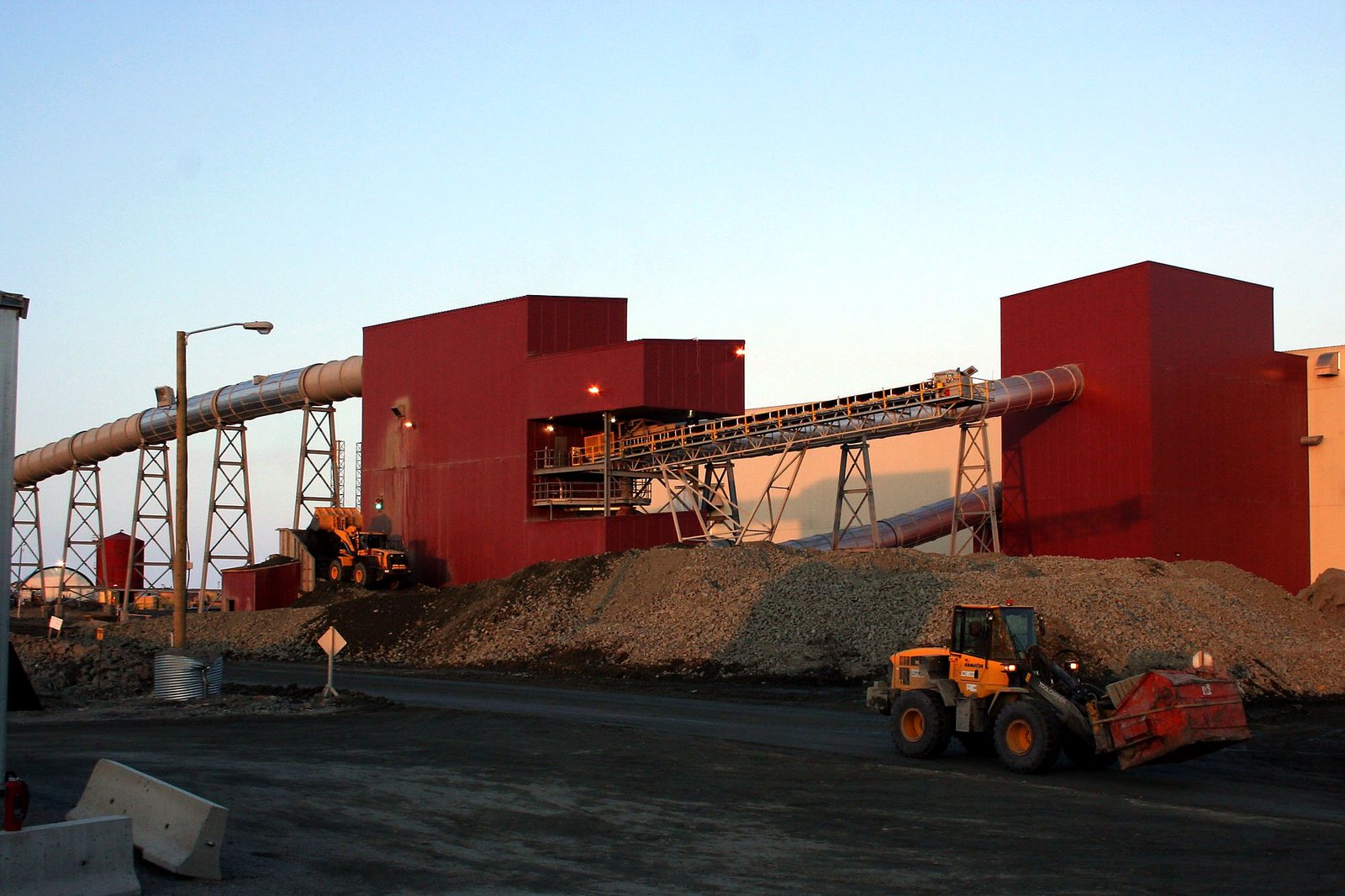
Reserve statements, feasibility studies and regulatory filings. These are the numbers a company can be sued over, so they tend to be the honest ones.
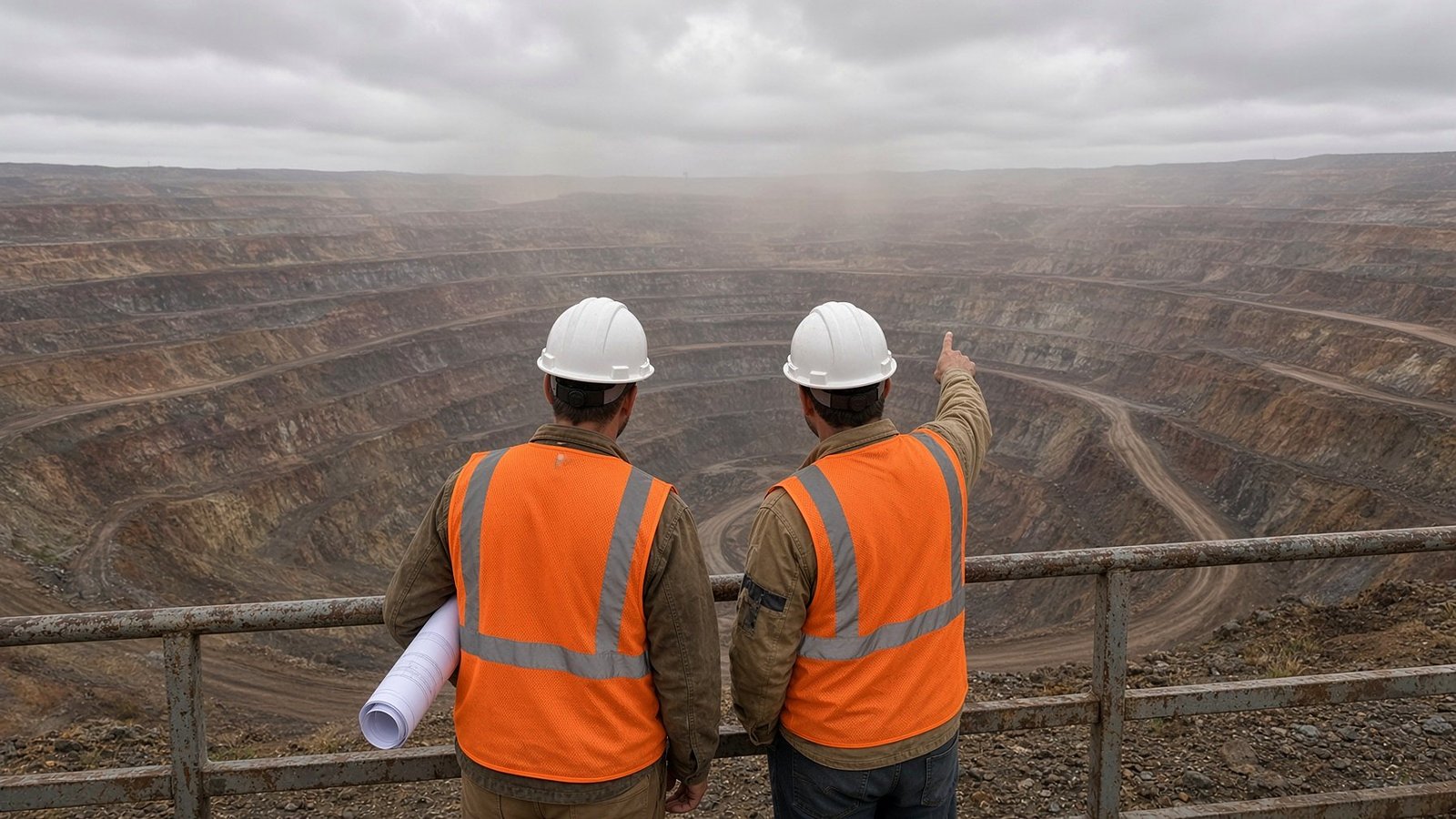
The people who dig, process and sell the metal, and the engineers who model the plants. Quoted by name, with the date and where they said it.
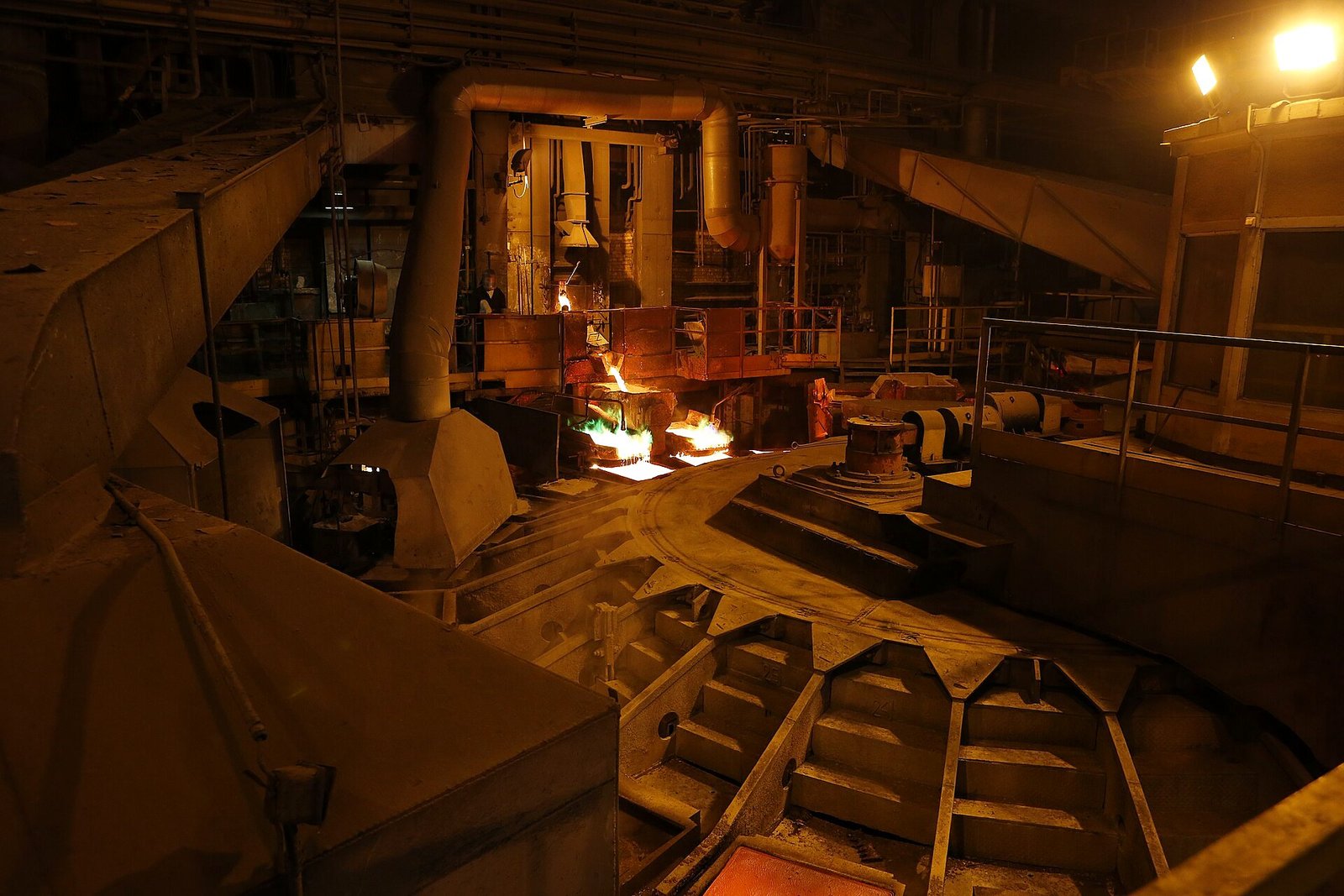
Warehouse inventories, term contracting, Mint sales, premiums over spot. The story usually shows up here weeks before it shows up in the headlines.
What we don't use: bullion-dealer blogs, promotional newsletters, or any analysis that ends with a buy button. When a source has a position, we say so in the same paragraph.
Gold
Will gold go down more? The bear cases for a $3,500 retest, the technical targets, and the bull rebuttal, weighed honestly for…
Gold
Gold vs bitcoin as a 2026 debasement hedge: the debt backdrop, record central-bank gold demand, volatility, custody and counterparty compared honestly.
Gold
Physical gold vs ETF, compared honestly: premiums, storage, expense ratios, custody and counterparty risk, and which one actually wins for you.
Gold
Gold IRA rules explained: IRS fineness standards, approved metals, required custodians, the no-home-storage rule, and what the fees really cost.
Gold
Capital gains tax on gold can hit a 28% collectibles rate, not the 15-20% stock rate. Here's what you'll actually owe and…
Gold
Best gold coins to buy in 2026: Gold Eagle vs Buffalo vs Krugerrand vs Maple compared on purity, liquidity, premium, and IRA…