Uranium & Nuclear Fuel
Why Are Uranium Stocks Down at an 18-Year Term High?
Why are uranium stocks down while term prices hit an 18-year high? We break down the spot-term split, URA and CCJ losses,…


Start here
If you've never read a mining company's quarterly report, this page is for you. It explains the six markets we cover, how prices actually get set, and the words that come up in every filing. No jargon without a definition.
Every article follows the same shape, so once you've read one you can skim the rest.
What happened, what the number is, and why anyone should care. If you only read this, you'll still know the story.
Pull quotes from earnings calls and interviews, with the person's name, role, venue and date. We quote the people who run the mines, not the people who sell the metal.
Filings, exchange inventories, Mint sales, contract prices. Every figure links to the document it came from.
Every piece argues against itself before it ends. If we're making a bullish case, this is where we list what would break it.
A short FAQ at the bottom, written for the search queries that bring people here.
We cover these six because they share one thing: for most of the last decade nobody built enough mines or refineries to supply what the grid, EVs, data centres and nuclear plants now need. Each one is short in its own way.
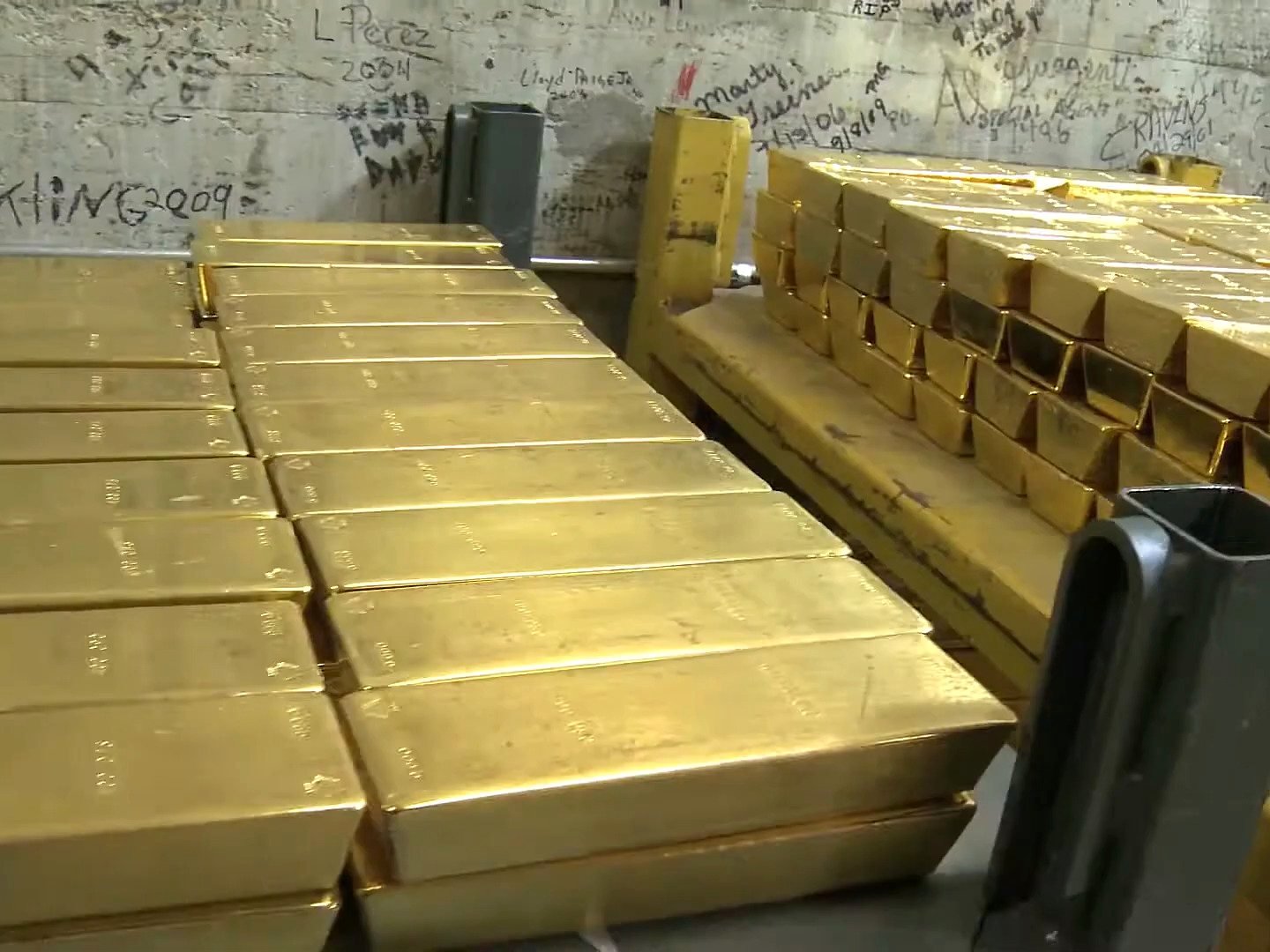
Gold is money that happens to come out of the ground. Central banks buy it, investors hold it against inflation and bad governments, and jewellery soaks up the rest. Almost none of it gets used up, so the entire history of mined gold still exists somewhere in a vault or a drawer.
What to watch: The price moves with real interest rates (higher rates make gold less attractive) and with central-bank buying. Miners live or die on the gap between the gold price and their all-in sustaining cost.
Our gold coverage →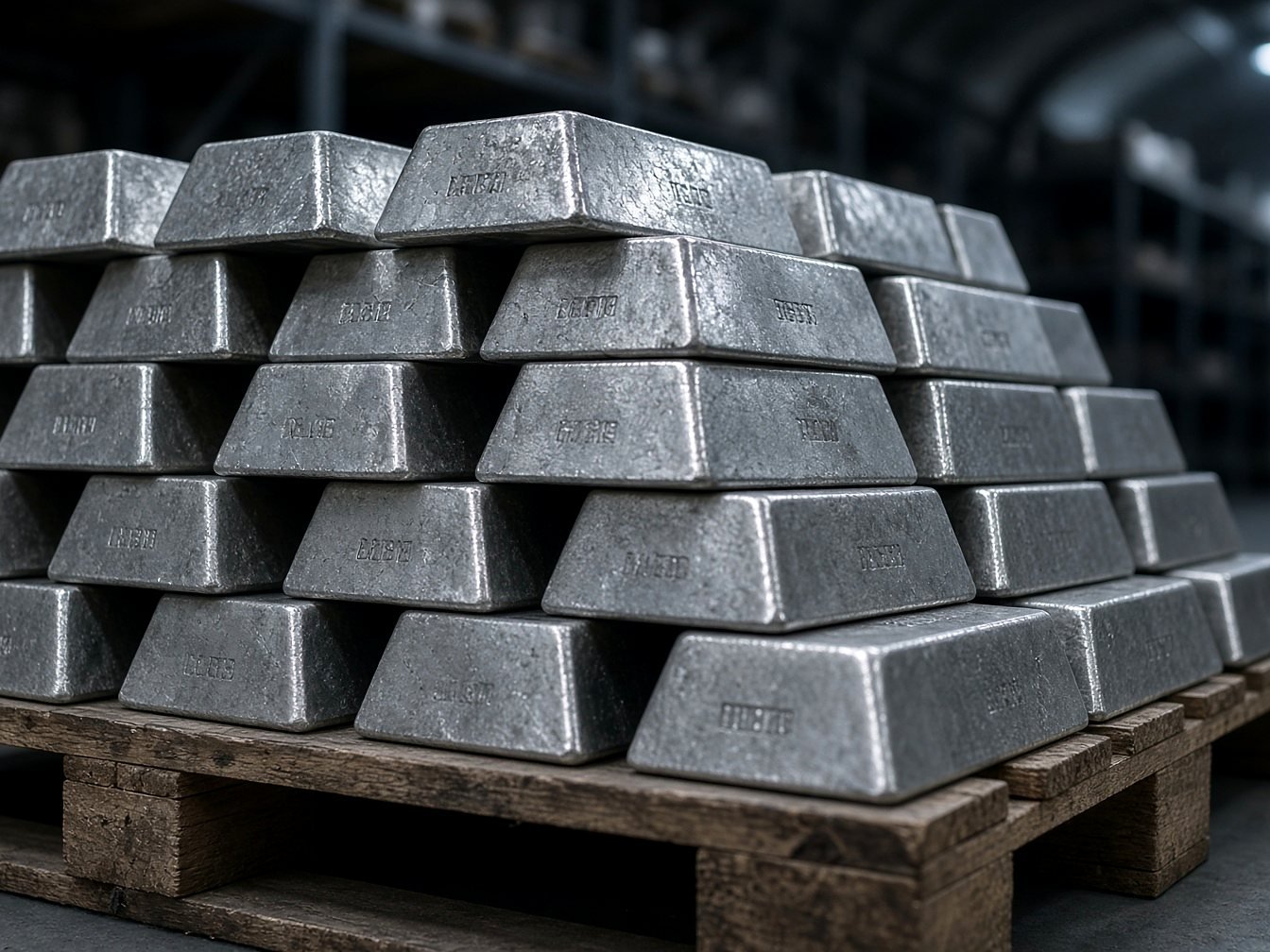
Silver has two lives. Half of it is money, like gold, in coins and bars. The other half gets used in solar panels, electronics and medicine, and most of that is gone for good. Solar alone now takes a large and growing share of every year's supply.
What to watch: Silver is mostly a byproduct of copper, lead, zinc and gold mines, so a higher price doesn't bring much new supply. That's why deficits can last for years, and why the price swings harder than gold in both directions.
Our silver coverage →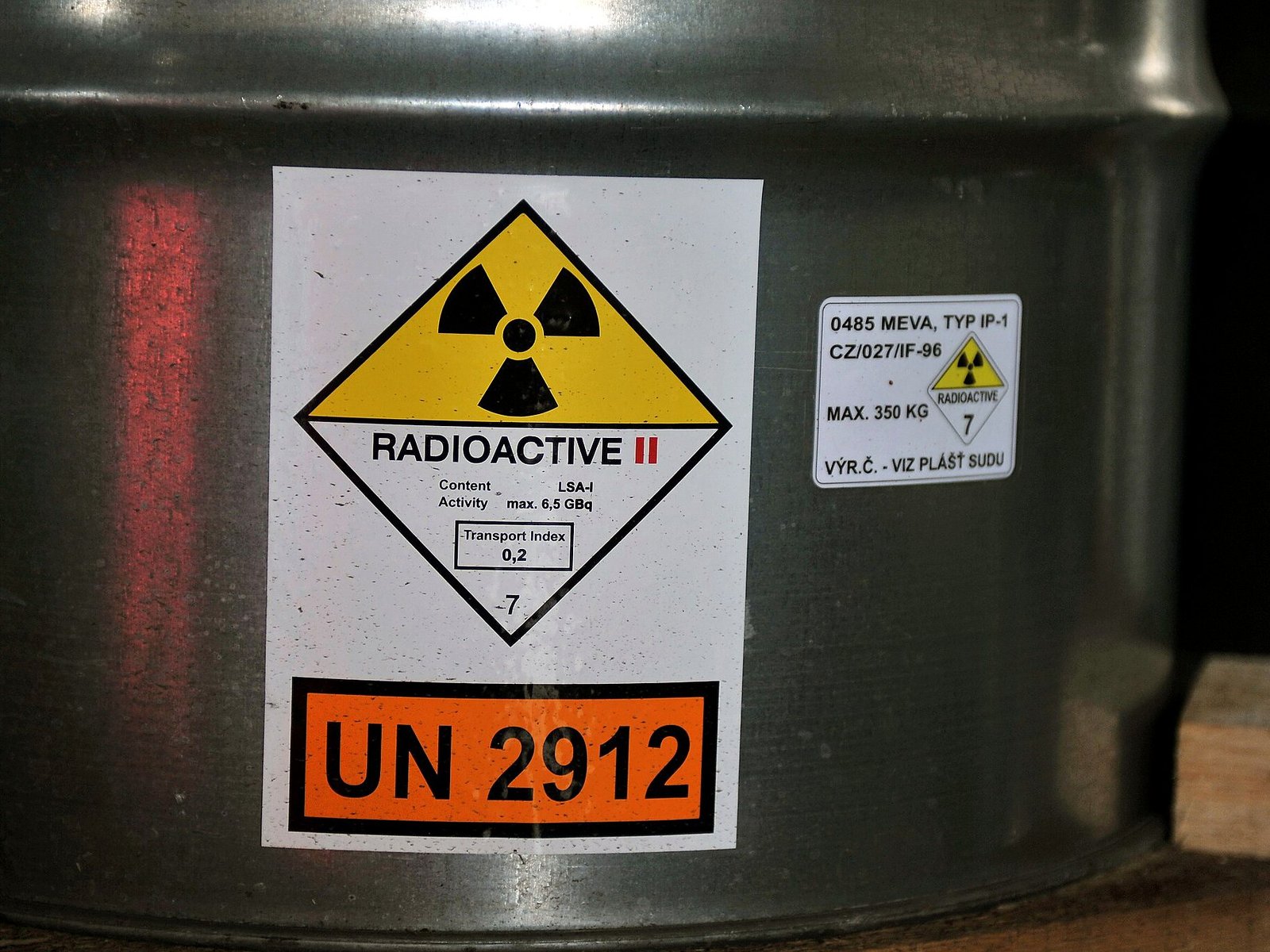
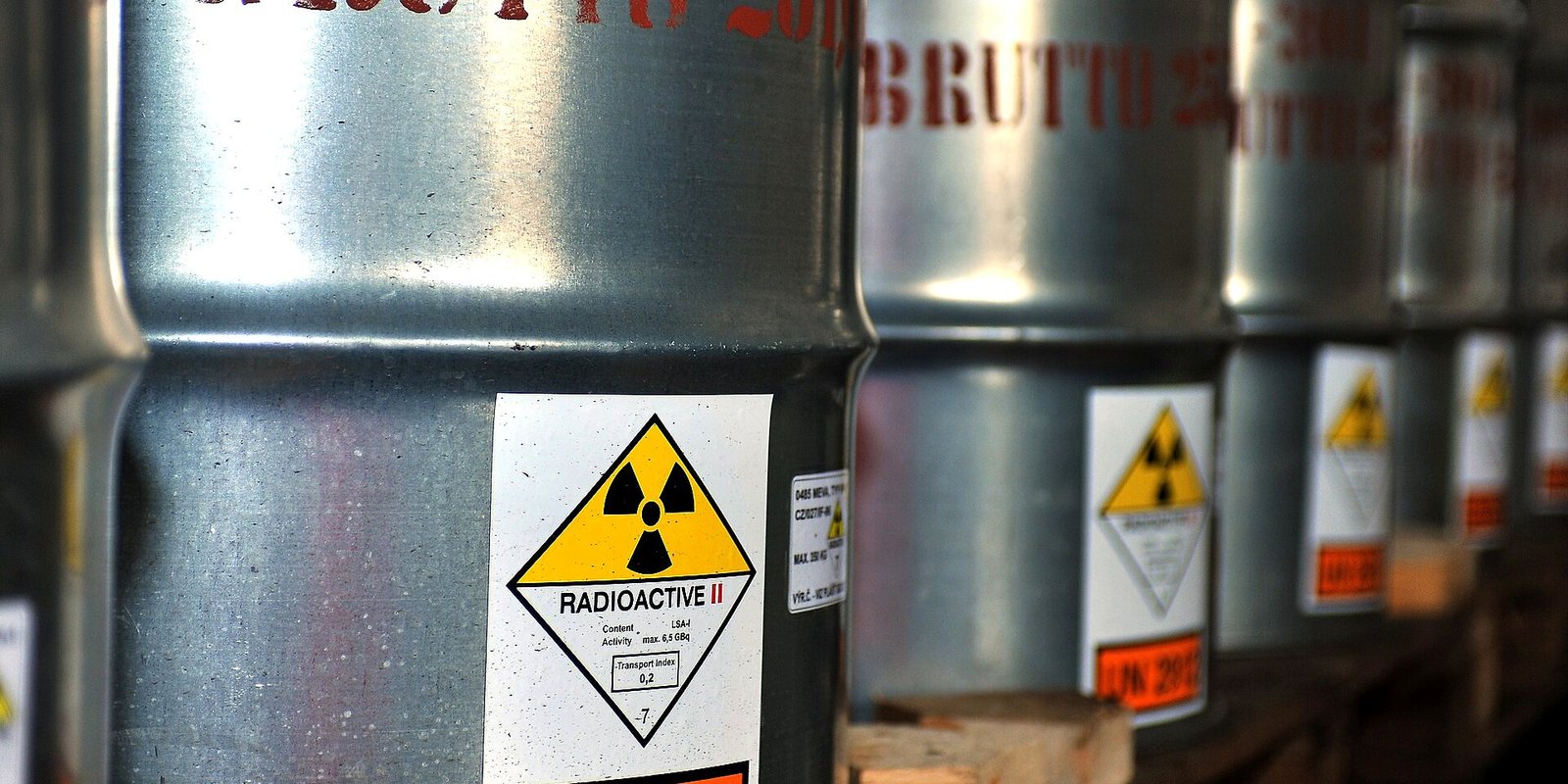
Uranium is nuclear fuel. It's mined, milled into a powder called yellowcake (U3O8), then converted and enriched before it can go into a reactor. Utilities buy most of it years ahead on long-term contracts, and only a small slice trades on the spot market.
What to watch: The term price, what utilities agree in contracts, tells you far more than the spot price. Producers like Kazatomprom and Cameco have been holding output rather than flooding the market, and the West has almost no conversion or enrichment capacity of its own.
Our uranium coverage →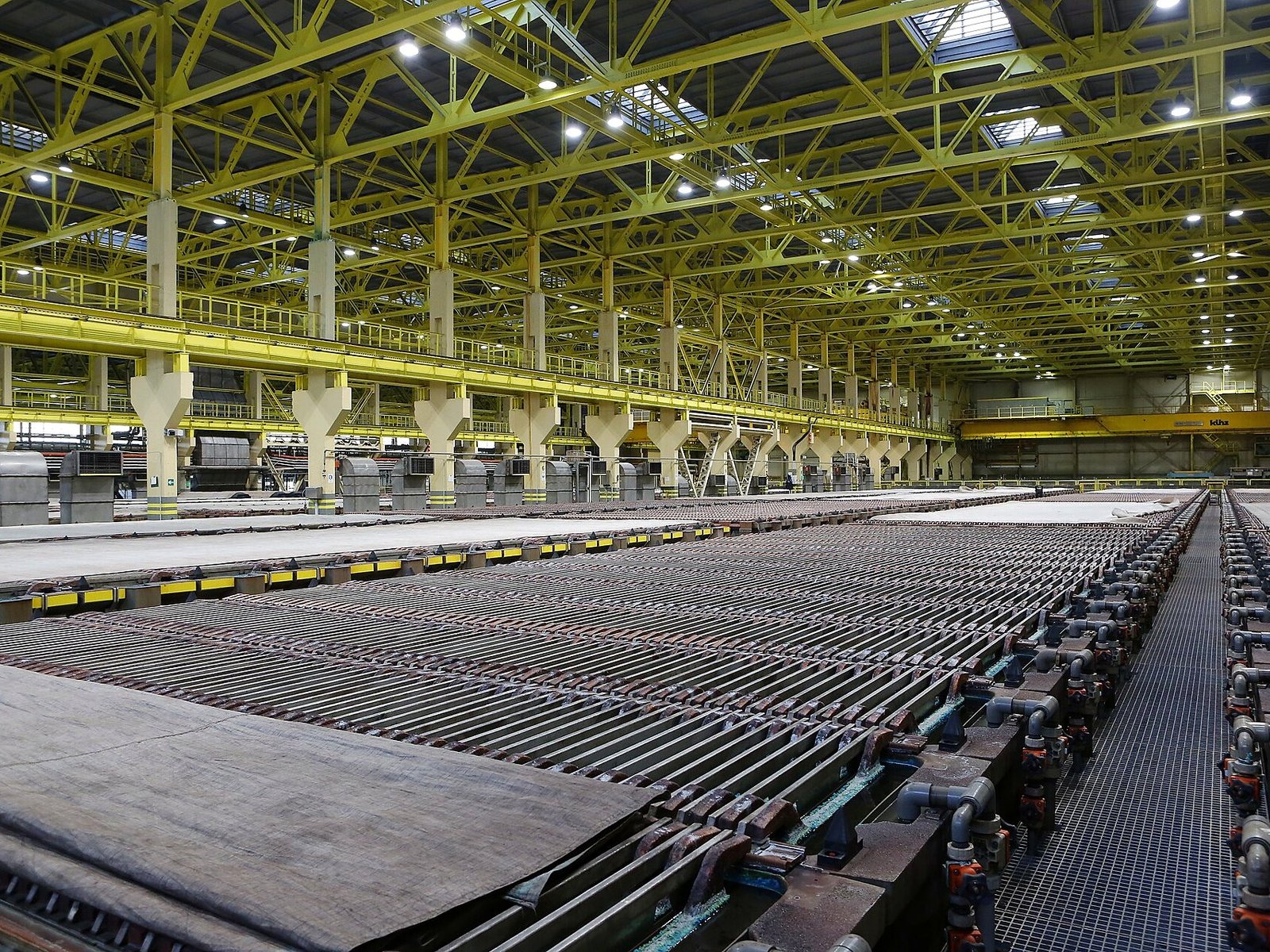
Copper carries electricity. Every wire, motor, transformer and data centre needs it, and there's no substitute at scale. The big mines are old, their ore grades are falling, and a new one takes 15 years or more to permit and build.
What to watch: Watch the fees smelters charge to process concentrate (TC/RCs). When they collapse toward zero, it means there isn't enough ore to go around. Watch sulphuric acid too: smelters need it, and nobody covers it.
Our copper coverage →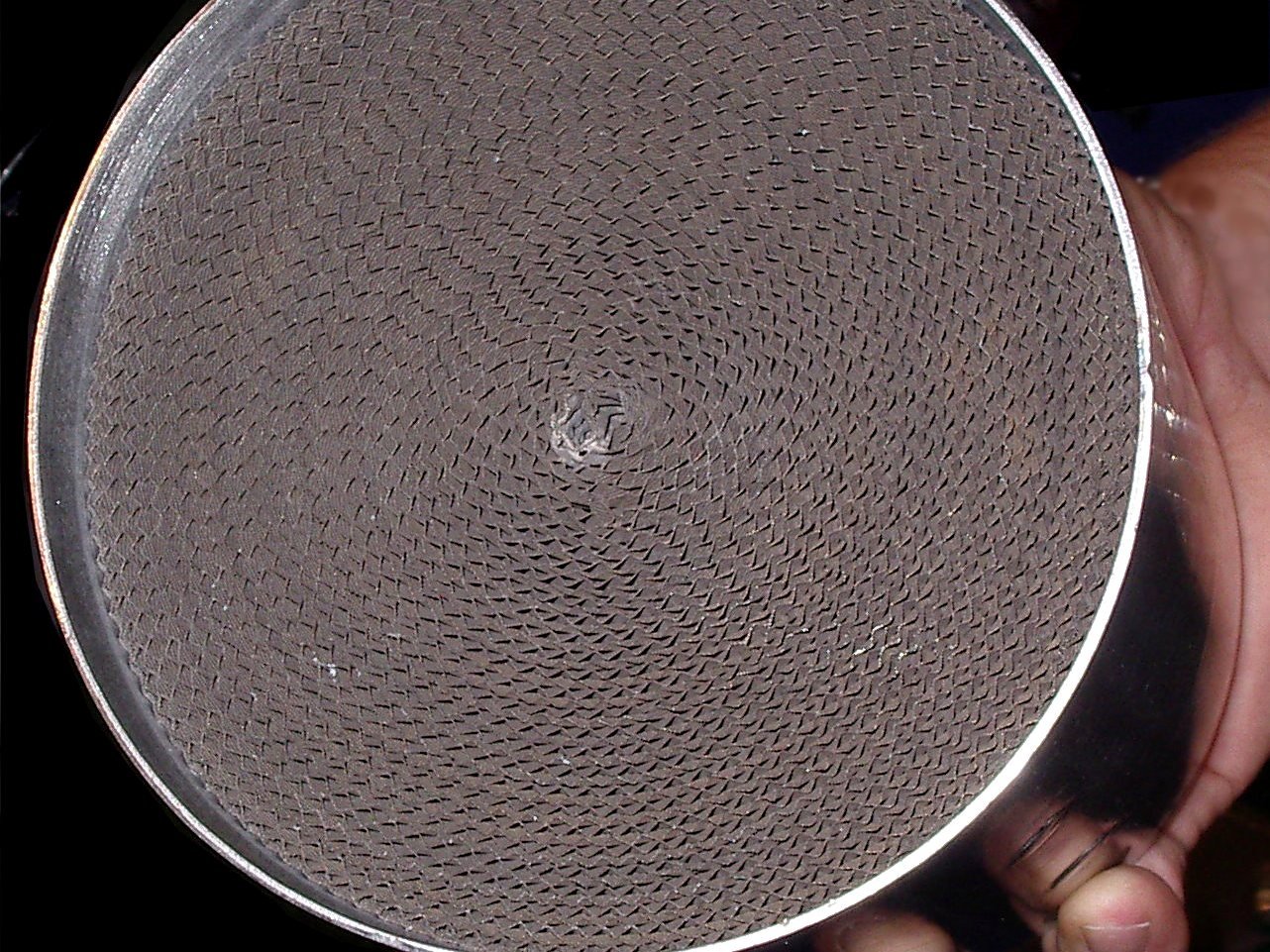
Platinum, palladium and rhodium are the platinum-group metals. Their biggest job is inside catalytic converters, scrubbing exhaust from petrol and diesel engines, which makes their demand a bet on how fast the car fleet changes. Platinum also has a growing role in hydrogen.
What to watch: Most supply comes from South Africa and Russia, both risky. Prices have sat below the level that would justify a new mine for years, which is how shortages get built.
Our pgms coverage →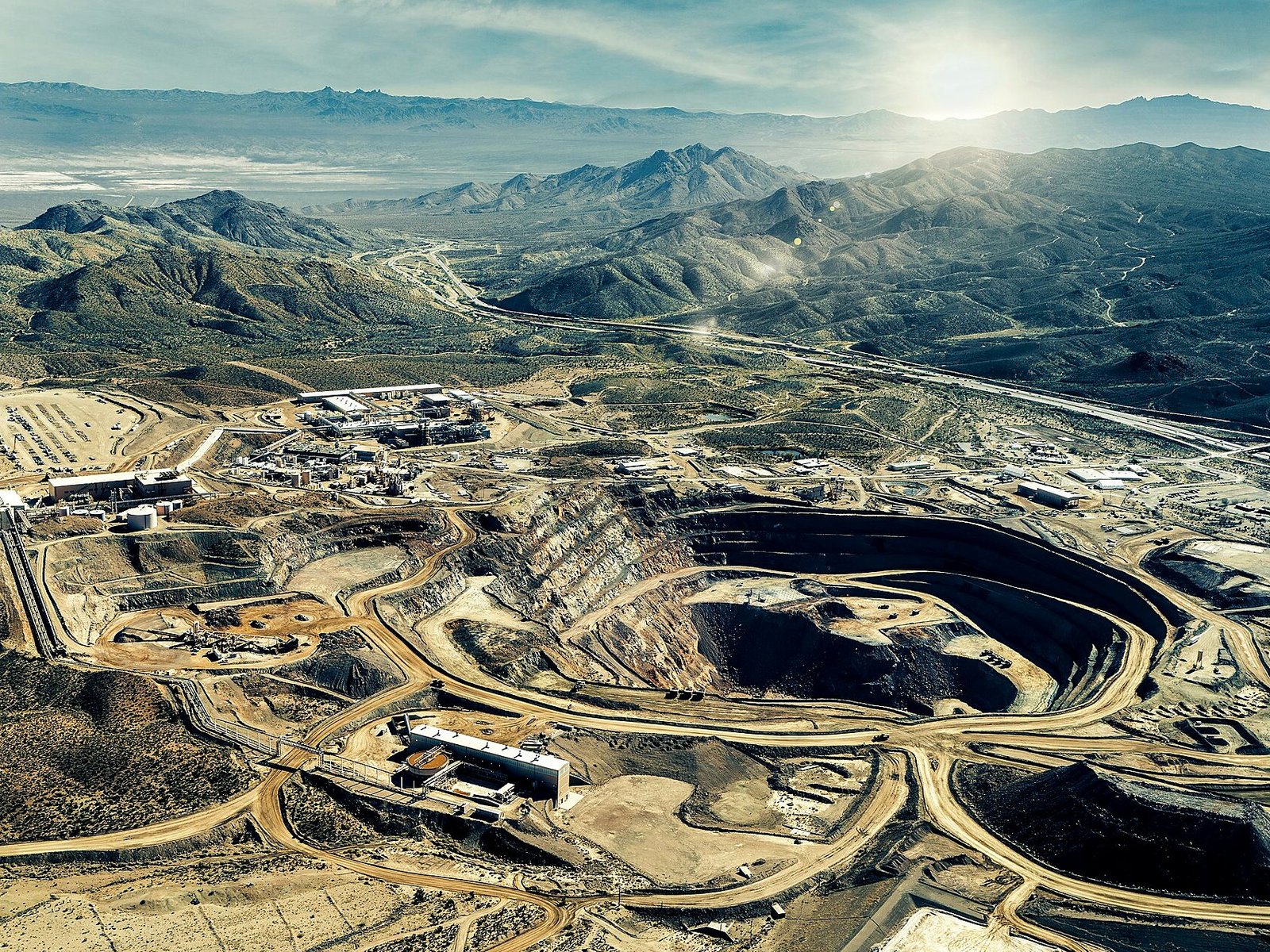
Rare earths are 17 elements that aren't actually rare. Two of them, neodymium and praseodymium (NdPr), make the strongest permanent magnets in the world, the kind inside EV motors, wind turbines and missiles. Digging them up is easy. Separating them from each other is the hard, expensive step.
What to watch: China does about 90% of the separating and refining, so a Western mine only matters once a separation plant is shipping oxide. Watch the NdPr price, Western price floors, and which plants are actually producing rather than announcing.
Our rare earths coverage →People talk about "the gold price" as if there's one number. There are several, and knowing which one someone is quoting saves a lot of confusion.
The price for metal delivered now, or within a couple of days. For gold and silver it's set by dealers trading with each other in London (the LBMA market). For copper it's the London Metal Exchange. Uranium spot is a thin market reported by a couple of price-reporting agencies, which is why it jumps around.
A futures contract is an agreement to buy or sell metal at a set price on a set date. COMEX in New York is where most gold and silver futures trade; the LME in London dominates copper. The vast majority of futures contracts are settled in cash and never turn into a bar of anything. That's what people mean by "paper" metal, and it's why the amount of paper trading can dwarf the physical market many times over.
Big buyers don't shop on spot. A utility buying uranium, or a carmaker buying palladium, signs a multi-year contract at a negotiated price. In uranium, the term price is where most real volume clears, and it can sit far above or below spot for a long time.
What you pay for a coin or a bar over the spot price. When retail demand surges, premiums explode. When retail gives up, they collapse, and you'll sometimes see products selling below spot. That's a sentiment gauge, and we track it.
Terms you'll meet in our articles and in the filings we link to. Plain definitions, no hedging.
If you want to get up to speed, these are the pieces to read first. They're the ones that explain the mechanism, not just the price move.
Uranium & Nuclear Fuel
Why are uranium stocks down while term prices hit an 18-year high? We break down the spot-term split, URA and CCJ losses,…
Gold
Why isn't gold rising during the Iran war? The Strait of Hormuz oil shock lifted inflation and yields, pushing gold down. The…
Silver
Silver Eagle sales hit zero in May 2026, a first in 40 years. Is silver dead, or is retail exhaustion a contrarian…
Silver
Rick Rule sold most of his physical silver above $100 in early 2026. Here's what he's buying in the gold and silver…
After that, pick a market from the archive and read the coverage in date order. The story makes a lot more sense that way.