

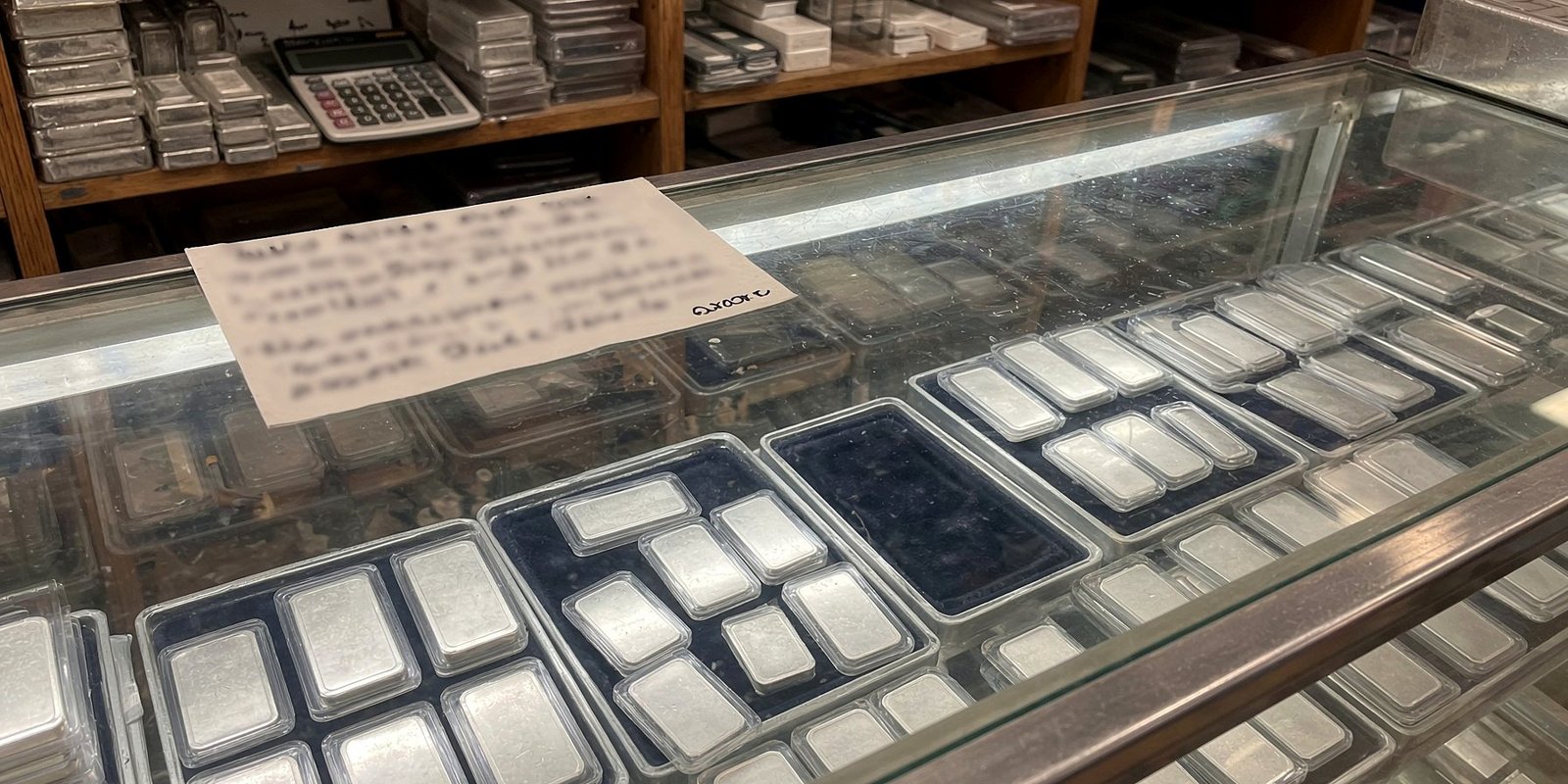
Silver Eagle sales hit zero in May 2026. The US Mint moved not a single one-ounce American Silver Eagle that month, the first zero in the program’s 40-year history (FindBullionPrices). April wasn’t much better, at 380,500 coins against a historical run-rate of 14 to 47 million a year. So is silver dead? No. The metal traded near $58 to $60 in July, up about 50% year over year. What died is retail’s appetite for buying new sovereign coins at a fat markup, and that distinction changes everything about what this number means.
What actually happened at the Mint
A zero month has never happened before. Since 1986, the American Silver Eagle has been the most-purchased silver bullion coin in the world, and even in slow stretches the Mint sold coins. April’s 380,500 was already a collapse. May’s zero is a different category of event.
- May 2026 Silver Eagle sales: zero coins
- April 2026: 380,500 coins
- Historical run-rate: roughly 14 million to 47 million coins per year
- First zero-sales month in 40 years of the program
The easy read is apathy. Silver crashed from its January high, so buyers walked away. That read is incomplete. The data points to something sharper than boredom.
This is defection, not just apathy
Here’s the snippet-ready version. Silver Eagle sales hit zero not because stackers stopped buying silver, but because they stopped buying Eagles specifically. The 2026 Eagle carries a 12% to 20% premium over spot. Buyers rotated to cheaper products carrying 3% to 10% markups. Same metal, lower toll.
When you look at where the money went, the Eagle’s problem is price, not silver. According to FindBullionPrices, buyers who kept stacking simply moved down the premium ladder:
- 2026 American Silver Eagles: 12% to 20% premium
- Random-year Silver Eagles: 3% to 10%
- Generic rounds and bars: near spot
- Canadian Maples and Austrian Philharmonics: 3% to 8%
Why pay a fifth over spot for a fresh Eagle when a random-year Eagle, the identical coin from an earlier date, sells for a fraction of that premium? Stackers did the math. The Mint’s zero is the result.
The selling wave that flooded the channel
The premium collapse didn’t happen in a vacuum. The January spike, when silver crossed $100 and peaked at $121.62, pulled a huge volume of old metal back into the market.
That top triggered the largest wave of long-term stacker selling in years (FindBullionPrices). Dealer buybacks flooded in. Refinery backlogs built up. The wholesale channel seized. When dealers are drowning in secondary-market coins they bought back cheap, they have no reason to order new inventory from the Mint. The supply chain filled from the wrong end.
You can see the stress in the junk silver market, where the signal is even louder. 90% junk silver, the pre-1965 US dimes and quarters that stackers treat as the base layer, traded at or below spot in March (CoinWeek, Mar 18, 2026). Refiner payment delays stretched to eight weeks. Silver selling below the value of the silver inside it is a textbook sign of a channel that can’t absorb any more product.
Premiums now versus the 2020-21 panic
Context matters here, because premiums cut both ways. In a buying panic they blow out. In an exhaustion they compress. July 2026 shows compression.
The Silver Eagle premium in July 2026 ran about 15.6% over roughly $60 spot (FindBullionPrices). That’s above pre-COVID norms but nowhere near the mania. At the 2020-21 peak, Eagle premiums hit 88%. Buyers were paying nearly double spot to get physical metal in hand. Today they won’t pay 16%. The mood has swung from desperate to disciplined.
The U.S. Mint sold zero one-ounce American Silver Eagles in May 2026, the first zero month in the program’s 40-year history. April managed only 380,500 coins against a historical run-rate of 14 to 47 million per year.
FindBullionPrices, “Silver Eagle Sales Hit Zero in May 2026: The Retail Buyer Has Left,” 2026
The contrarian read: retail has left the building
Now the part that separates the panicked from the patient. Zero Mint sales plus junk silver below spot is a picture of retail exhaustion. Contrarians read exhaustion as bullish.
The logic is old and reliable. Retail bought the top in December and January, got margin-called or scared out, sold physical in record volume from February through April, and by May stopped buying new coins entirely. That’s the full post-mania cycle. When the last discouraged seller has sold and nobody’s left to buy the dip, the setup for a turn is in place. There’s no euphoria left to unwind.
Zero Mint sales plus junk below spot equals retail exhaustion, which contrarians read as bullish. Retail has left the building.
Commodities Unfiltered retail sentiment desk, July 2026
We’d add the obvious caveat. Exhaustion signals tell you sentiment is washed out. They don’t tell you the exact date it turns, and the macro backdrop, a hawkish Warsh Fed and higher yields, still argues against a fast recovery. A washed-out market can stay washed out for months.
What it means for buyers versus holders
The same data reads differently depending on which side of the trade you’re on.
If you’re a buyer, this is a bargain window on the product level. Premiums have compressed hard. Generics sit near spot, junk silver trades at or below it, and even Eagles ask 16% instead of 88%. If you want physical silver, you’re paying close to the metal price for the first time in a long while. Skip the 2026 Eagle premium and buy the cheaper forms.
- Generic rounds and bars near spot are the cheapest ounces
- 90% junk silver at or below spot is unusually cheap
- Random-year Eagles get you the design without the new-issue markup
- The 2026 Eagle premium is the one to avoid right now
If you’re a holder, read the zero as a liquidity warning. The channel that seized on the way down is the same channel you’ll sell into. Refiner payment delays up to eight weeks and dealer buyback desks already flooded mean your exit could be slow and your buyback price soft. Plan your liquidity before you need it, not after. For premium mechanics on the buy side, see our how to buy silver guide, and for where price might head, our silver price forecast 2026.
Frequently asked questions
Did the US Mint really sell zero Silver Eagles in May 2026?
Yes. The Mint recorded zero one-ounce American Silver Eagle bullion sales in May 2026, the first zero month in the program’s 40-year history, per FindBullionPrices. April sold only 380,500 coins against a historical run-rate of 14 to 47 million a year.
Is silver dead?
No. Silver traded near $58 to $60 in July 2026, up about 50% year over year despite falling from its January peak of $121.62. The zero Mint number reflects buyers abandoning high-premium new Eagles, not abandoning silver. Cheaper products near spot kept selling.
Why is junk silver trading below spot?
The January price spike triggered record stacker selling, flooding dealer buyback desks and refinery channels. With refiner payment delays up to eight weeks, dealers discounted 90% junk silver to at or below spot in March 2026, per CoinWeek. It’s a sign of a channel that can’t absorb more product.
Are zero Eagle sales bullish or bearish for silver?
Contrarians read it as bullish. Zero Mint sales plus junk below spot signals retail exhaustion, the tail end of a post-mania cycle where sellers are spent. That doesn’t time the turn, and a hawkish Fed still argues against a quick recovery, but the sentiment washout is real.
Should I buy Silver Eagles now or a cheaper product?
With 2026 Eagles carrying 12% to 20% premiums, cheaper options make more sense for pure metal exposure. Generics sit near spot, junk silver at or below it, and random-year Eagles run 3% to 10%. Premiums this compressed favor buyers who avoid the new-issue markup.
By the Commodities Unfiltered desk. Last updated July 2026.
This is market analysis, not investment advice.
Leave a Reply