

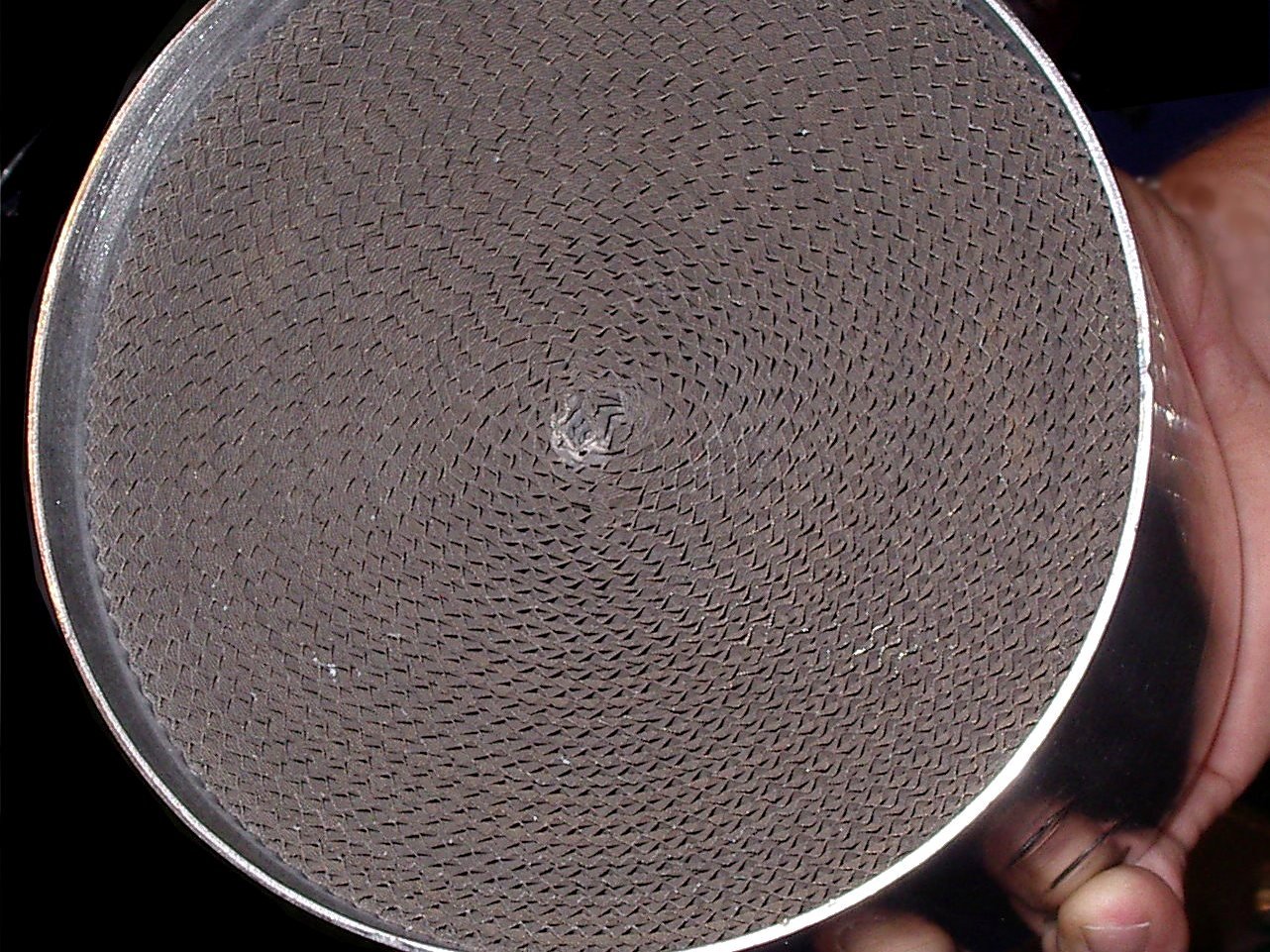
Platinum is cheaper than gold because the two metals answer to completely different masters. Platinum trades as an industrial commodity, priced off car production, diesel exhaust systems, and factory demand. Gold trades as money, priced off central banks, fear, and currency debasement. As of July 23, 2026, platinum sat at roughly $1,596 an ounce while gold hovered near $4,050 (Kitco, July 23, 2026). Platinum is rarer in the earth’s crust, yet it costs less than half as much. Rarity doesn’t set price. Demand does, and gold’s buyer base is deeper, richer, and far less fussy about the business cycle.
Why is platinum cheaper than gold when it’s rarer?
The short version, then we’ll pull it apart.
Platinum is cheaper than gold because platinum’s price depends on industrial and auto demand that rises and falls with the economy, while gold is a monetary asset backed by central-bank buying and safe-haven flows. Scarcity in the ground doesn’t matter if there aren’t enough deep-pocketed buyers who want the metal for what it does.
Gold has almost no industrial job. People buy it because other people buy it, because central banks hoard it, and because it holds value when currencies wobble. That’s a self-reinforcing bid with a very long history. Platinum has to earn its price every year from factories and carmakers, and those customers cut back the moment cars get greener or margins get thin.
The rarity myth, and why it doesn’t set the price
Platinum is one of the scarcest metals mined at scale. Annual platinum mine supply is a fraction of gold’s, and it comes from a handful of places. That’s a real fact, and it’s the fact that trips up most first-time buyers. Here’s the problem: price is a fight between supply and demand, and rarity only wins that fight when demand is broad and hungry.
Consider the buyer pools:
- Gold buyers: central banks, sovereign wealth funds, retail investors, jewelry markets across India and China, ETF holders, and speculators betting on debasement. In Q1 2026 alone, central banks bought a net 244 tonnes of gold, and the World Gold Council’s survey found a record 45% of central banks plan to raise their own reserves (WGC, July 2026).
- Platinum buyers: mostly carmakers buying autocatalysts, plus industrial users in chemicals and glass, some jewelry, and a growing but still small pool of investors. Auto is the single largest platinum demand block, at roughly 2,959 koz forecast for 2026 (WPIC, May 18, 2026).
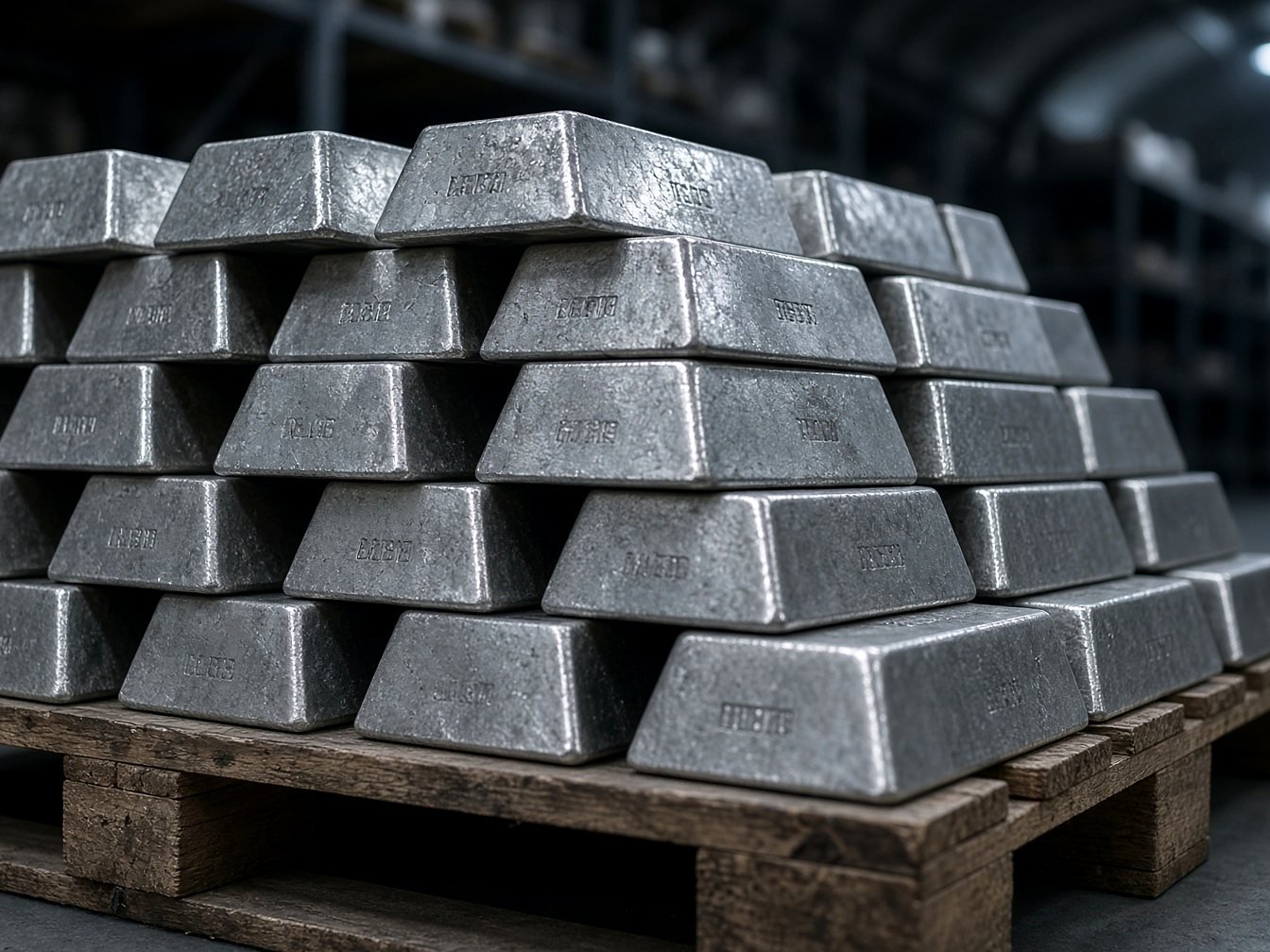
No central bank on earth is stacking platinum bars to back its currency. That single difference explains most of the gap. Gold has a permanent, price-insensitive buyer of last resort. Platinum has carmakers who will substitute palladium the instant it’s cheaper, and who are slowly walking away from combustion engines entirely.
Platinum used to cost more than gold, for decades
This is the part people forget. Platinum traded above gold for most of modern history. It was the premium metal, the one that cost more precisely because it was rarer and industrially prized. That relationship broke around 2015 and never came back. The 2008 crisis cracked it, and the diesel collapse finished the job.
What changed? Two things, mostly. Diesel cars, which used platinum-heavy catalysts, fell out of favor in Europe after the emissions-cheating scandals. And gold went on a structural run as central banks turned into net buyers and debasement fears grew. One metal lost its biggest growth market. The other found a new class of relentless buyer. The inversion wasn’t a fluke. It was two multi-year trends pulling in opposite directions.
The EV transition and diesel decline gutted platinum’s core market
Platinum’s biggest job is scrubbing exhaust in combustion vehicles. That job is shrinking. Battery-electric cars don’t have tailpipes, so they don’t need platinum catalysts at all. The shift to BEVs in China is already eroding demand for platinum’s sister metal palladium, with global automotive palladium demand forecast to fall by more than 5% in 2026 on lower Chinese production and the BEV shift (Heraeus Weekly Market Report No. 26, July 20, 2026).
It’s not all bearish, and we should say so plainly. The transition is slower and messier than the 2035 headlines suggested. Johnson Matthey’s Stewart Brown pointed to a real shift in the rules:
“European CO2 legislation is being amended. Instead of banning ICE vehicles in 2035, the EU is proposing to require automakers to cut their CO2 emissions by 90%.”
Stewart Brown, Automotive Research Manager, Johnson Matthey (May 14, 2026)
Longer combustion and hybrid life means platinum keeps a job longer than the doomers claimed. WPIC’s own 2026 numbers show hybrids (+12%) partly offsetting the ICE decline (−8%), leaving auto platinum demand down just 2% (WPIC, May 18, 2026). Hydrogen is a slower story still, with WPIC pegging platinum demand from fuel cells at around 90 koz today rising toward 400 koz by 2030. That’s growth, but it’s not enough to replace a dying diesel market overnight. The point stands: platinum’s demand is tied to machines and policy, and both are moving away from it.
Gold’s monetary bid keeps it expensive no matter the cycle
While platinum fights for industrial relevance, gold has been on a tear driven by things that have nothing to do with factories. US deficits running around $2 trillion, federal debt above $35 trillion, and questions about Fed independence under new Chair Kevin Warsh have kept the debasement trade alive (CBO, February 2026). Central banks keep buying. The PBoC added 15 tonnes in June, its largest purchase since October 2023.
Even after a rough patch, gold’s floor is higher and firmer. It fell about 25% from its roughly $5,600 January 2026 all-time high, and Q2 2026 was its worst quarter since 2013, down 14.1%. It still trades above $4,000. That’s the difference a monetary bid makes. When gold corrects, sovereign buyers step in. When platinum corrects, carmakers wait for a better price and investors head for the exit.
So why does platinum stay cheap and volatile?
Supply is the twist in the tale, and it’s why platinum bulls haven’t given up. Platinum’s supply is small and dangerously concentrated. Roughly 70% or more of the world’s platinum comes from South Africa, from aging shafts hit by rising electricity tariffs and no new greenfield mines. That makes the metal supply-fragile and prone to violent swings in both directions.
The market has been in deficit. WPIC forecasts a fourth consecutive annual platinum deficit in 2026 at 297 koz, with above-ground stocks falling to 1,747 koz, under three months of demand cover (WPIC, May 18, 2026). WPIC CEO Trevor Raymond put the bull case simply:
“Platinum’s fundamentals remain attractive to investors. The market continues to be undersupplied.”
Trevor Raymond, CEO, World Platinum Investment Council (May 18, 2026)
That’s the tension. Platinum is cheap because its demand is industrial and cyclical. It’s volatile because its supply is thin and concentrated. In 2026 the metal has swung hard, down about 27% year-to-date from a roughly $2,900 January peak to near $1,596 in July (Trading Economics, July 2026). Gold, meanwhile, sits well above it, dented but still carried by buyers who don’t care what a car costs. Whether platinum’s supply squeeze eventually forces a re-rating is a separate question, and one we dig into in our platinum price forecast.
Frequently asked questions
Is platinum rarer than gold?
Yes. Platinum is scarcer in the earth’s crust and has much smaller annual mine supply than gold. But rarity alone doesn’t set price. Gold costs more because far more buyers, including central banks, want it as a store of value.
Did platinum ever cost more than gold?
Yes, for decades. Platinum traded at a premium to gold through most of modern history until around 2015. The 2008 crisis, the collapse of diesel car demand, and gold’s structural bull run flipped the relationship, and it never reversed.
Will platinum ever be worth more than gold again?
It’s possible but not guaranteed. Platinum’s supply is thin and concentrated in South Africa, and the market is running consecutive deficits. A supply shock could force a re-rating. But as long as gold enjoys a monetary bid platinum can’t match, the gap is likely to persist.
What is platinum mainly used for?
Autocatalysts are the biggest use, scrubbing emissions in combustion and hybrid vehicles. Auto is the largest single block of platinum demand. Platinum is also used in chemicals, glass, jewelry, and increasingly hydrogen fuel cells.
Why did platinum fall so much in 2026?
Platinum dropped about 27% year-to-date by July 2026 after a June to July selloff triggered by Middle East escalation, higher crude, a strong dollar, and fears over industrial and auto demand. Its industrial character made it underperform gold during the correction.
By the Commodities Unfiltered desk. Last updated July 2026.
This is market analysis, not investment advice.
Leave a Reply