
To buy silver, decide on a form (sovereign coins, generic rounds, bars, or 90% junk silver), pick a reputable dealer, and compare the total price against the live spot price so you know exactly what premium you’re paying. Fund the order with a low-fee payment method, factor in sales tax where it applies, and plan storage before the metal shows up. With silver trading near $58 an ounce in mid-2026, premiums matter more than most beginners expect. That’s the whole game: pay as little over spot as you reasonably can.
Silver looks simple until you place your first order and realize the sticker price is nowhere near the number you saw on the chart. This guide covers every form, the fees nobody advertises, and the mistakes that cost first-timers real money.
The main forms of silver, and who each one suits
Physical silver comes in four broad categories. They all hold the same metal. What changes is the premium, the recognizability, and how easy each is to sell.
- Sovereign coins. American Silver Eagles, Canadian Maple Leafs, Austrian Philharmonics, British Britannias. Government-minted, guaranteed weight and purity, and the most recognizable products on the planet. That recognition costs you. Eagles in particular carry the fattest premiums of any common bullion coin. Not the cheapest metal, but the easiest to sell to anyone, anywhere.
- Generic rounds. Privately minted one-ounce discs from refiners like Sunshine, SilverTowne, or Asahi. Same .999 silver, no government backing, much lower premium. A round is silver stripped of the collectible markup. Great value for pure stacking.
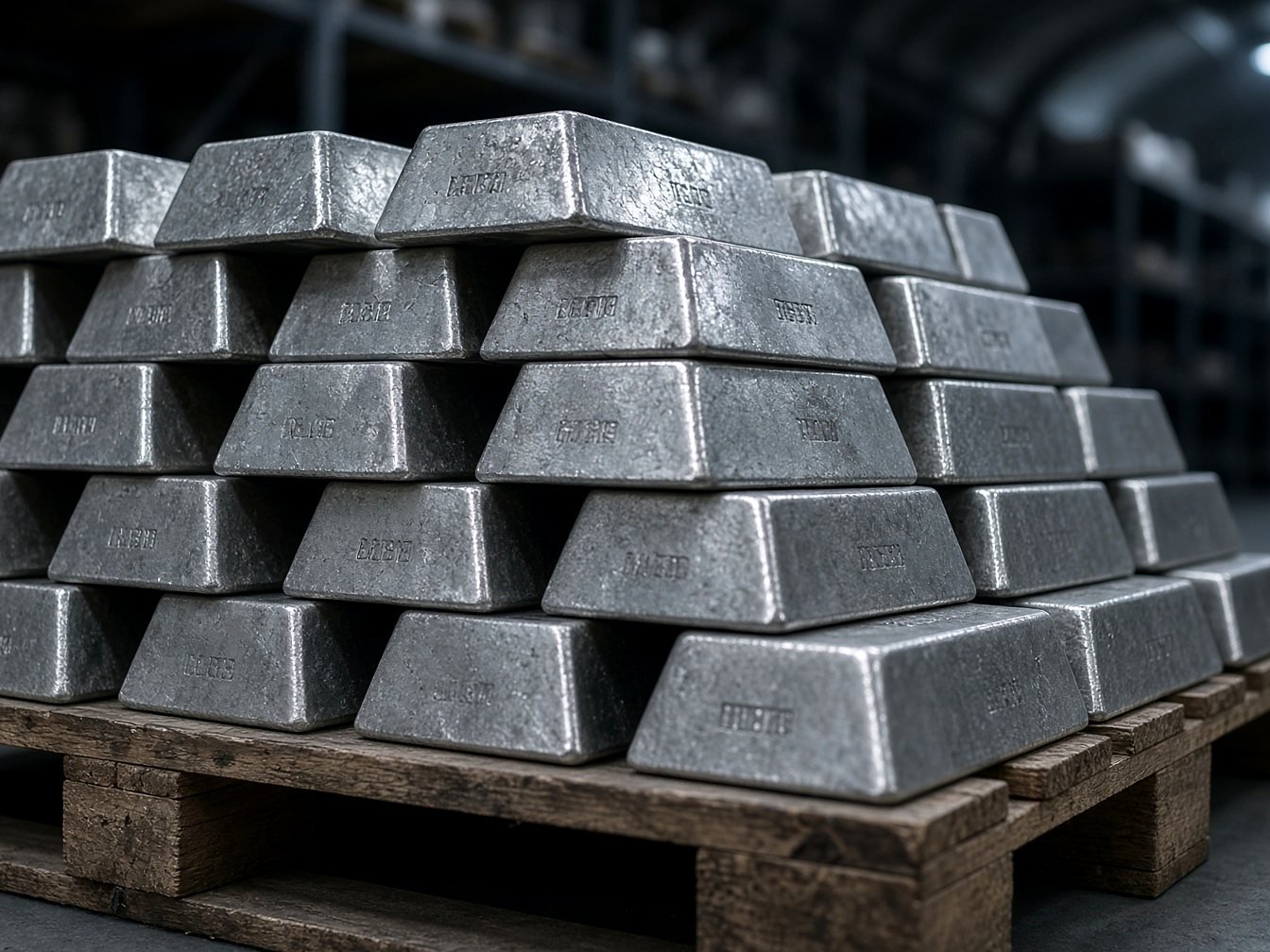
- Bars. Sold from 1 oz up to 100 oz and beyond. The bigger the bar, the lower the premium per ounce, because you pay one fabrication fee across more metal. The tradeoff: a 100 oz bar is hard to sell in pieces, and you can’t spend it in small amounts.
- 90% junk silver. Pre-1965 US dimes, quarters, and half dollars, which are 90% silver by weight. “Junk” means no numismatic value, not poor quality. It comes in small denominations, trades close to spot, and suits people who want divisible, recognizable silver. In mid-2026 some junk silver has traded at or even below spot, which is unusual and worth watching if you’re a buyer.
The premium trap: why cheap-per-ounce silver has fat markups
Here’s the thing that catches every beginner. You never pay spot. You pay spot plus a premium covering minting, distribution, and dealer margin. On gold that premium is a small slice of a large number. On silver the same few dollars of fabrication cost is a big chunk of a small number.
Silver premiums are proportionally larger than gold premiums because silver is cheap per ounce. A $3 minting cost on a $58 silver coin is roughly 5% of the price, while the same few dollars on a $3,000-plus gold coin barely registers. That’s why a “small” premium on silver quietly eats a much bigger share of your money.
As of 2026, rough premium ranges over spot look something like this. Treat them as approximate and shop them yourself:
- Large bars (100 oz): low single digits, often the cheapest metal available.
- Generic rounds and smaller bars: mid single digits.
- Sovereign coins like Maples and Philharmonics: mid to high single digits.
- American Silver Eagles: consistently the highest of the common products, frequently into the teens.
- 90% junk silver: usually near spot, sometimes below in a soft market like mid-2026.
None of this is fixed. Premiums move with demand, and during the 2020-2021 buying panic Eagle premiums blew out far past normal. For the full breakdown on the Eagle, read why Silver Eagles are so expensive. The practical takeaway: a 12% premium on Eagles versus 4% on rounds means silver has to rise 8% before the Eagle buyer breaks even against the round buyer. That gap is real money.
Spot, ask, and choosing a dealer without bleeding fees
Spot price is the live wholesale price for a large quantity of pure silver traded on the futures market. You, buying a few coins, are not that market. Two numbers matter when you transact. The ask is what a dealer charges you to buy: spot plus premium. The bid is what a dealer pays you when you sell, usually spot minus a small spread, sometimes over spot on products in demand. The gap between them is your real cost of entry. On Eagles that round-trip spread can be 15% or more; on generic rounds it’s tighter. Always check a dealer’s buyback price before you buy, not after.
Stick to established dealers with a long track record and transparent, live pricing. The big online bullion dealers list their buy and sell prices openly and update them in real time. Local coin shops are fine too and let you walk away with metal same day, though their premiums can run a little higher to cover overhead. A few checks worth doing:
- Live pricing tied to spot, not a stale daily number.
- Clear buyback prices published on the site.
- Real reviews going back years, not a wall of five-star posts from last month.
- Reasonable, stated shipping that’s insured.
Payment method changes your total more than beginners expect. Most dealers post their lowest price for bank wire, ACH, or paper check, and add a surcharge of roughly 3-4% for credit cards. On a $2,000 order that card “convenience” can cost you $60-$80, often more than the premium difference between two products. Pay by bank transfer or check when you can, and reserve the card for small orders where the surcharge is trivial.
Storage, sales tax, and the bulk problem
Silver is heavy and takes up space, and that’s not a footnote. At roughly $58 an ounce in mid-2026, a 1,000 oz position is about $58,000 of metal weighing around 68 pounds that fills a real chunk of a safe. The same dollar value in gold fits in a shirt pocket. Plan storage before you buy, not after a heavy box lands on your doorstep. Your options:
- Home storage. A quality safe bolted down, ideally with a home insurance rider. Private, immediate access, no ongoing fee. The bulk makes a serious stack a genuine space and weight problem.
- Bank safe deposit box. Cheap and secure, but not insured by the bank and not accessible outside banking hours.
- Allocated vault storage. A dealer or depository holds specific metal in your name for an annual fee, often around 0.5% of value. Convenient and easy to sell back, but you’re paying to hold it and trusting a third party. If you’re weighing stored metal against a fund, see our SLV vs PSLV vs physical breakdown.
On tax: in the US, sales tax on bullion depends entirely on your state. Many states exempt investment-grade bullion, some only above a purchase threshold, and a handful tax it fully. That tax can dwarf the premium, so check your state’s rules first. Buying from an out-of-state online dealer no longer dodges it in most places, since dealers collect based on your shipping address. This is general information, not tax advice, and rules change.
How to sell silver when the time comes
Selling is buying in reverse, and the same spread logic applies. You’ll usually sell back to a dealer at their bid, slightly below spot for generic product and sometimes at or above spot for coins in demand. Recognizable, common products sell fastest and closest to spot. That’s the quiet argument for sovereign coins and well-known rounds over off-brand pieces a dealer has to think twice about.
Keep your receipts. In the US, physical silver is taxed as a collectible, and long-term gains can run up to 28%. Your cost basis from those receipts keeps the taxable gain honest. Sell into a rising market to a dealer with a tight spread, and avoid dumping a 100 oz bar when you only need a few hundred dollars. That’s exactly why smaller denominations earn their slightly higher premium.
Common beginner mistakes
- Overpaying for Eagles when you just want metal. If your goal is ounces, generic rounds and bars give you more silver per dollar.
- Ignoring the buyback spread. A low ask means nothing if the dealer’s bid is far below spot. Check both.
- Paying by credit card without noticing the surcharge. That 3-4% can exceed the premium you carefully shopped for.
- Forgetting sales tax. A taxable state can add more than the premium itself.
- No storage plan. Silver is bulky. Sort out where it lives before it arrives.
- Buying one giant bar. Cheap per ounce, impossible to sell in pieces. Mix in divisible product.
- Chasing hype at the top. Plenty of first-timers bought the January 2026 spike near the highs and are now underwater.
- Trusting a dealer you can’t verify. Stick to names with years of reviews and public pricing.
For where the metal might head from here, see our silver price forecast for 2026. For neutral background on coin specifications, the US Mint’s bullion pages are a solid reference.
Frequently asked questions
How much money do I need to start buying silver?
Very little. A single one-ounce round runs about spot plus a small premium, near $60-$65 in mid-2026. Start with one coin and add over time. Many people buy a tube of ten or twenty pieces to keep per-item shipping sensible.
Are silver coins or bars better for a first-time buyer?
Coins and small rounds are easier to sell and more divisible, which matters more than most beginners think. Larger bars are cheaper per ounce but hard to sell in pieces. A common approach is a base of larger bars plus coins and junk silver for flexibility.
Do I pay tax when I buy silver?
Sometimes. Sales tax depends on your US state, and many exempt investment-grade bullion while others tax it. Separately, when you sell at a profit, physical silver is taxed as a collectible, with long-term gains taxed up to 28%. Check your state and keep receipts. This isn’t tax advice.
Is it a good time to buy silver in 2026?
Silver near $58 in mid-2026 sits well below its January spike, and retail buying has cooled sharply. That’s context, not a signal. Focus on paying a fair premium and buying an amount you can hold through volatility rather than timing an exact bottom.
By the Commodities Unfiltered desk. Last updated July 2026.
This is market analysis, not investment advice.
Leave a Reply