

Why are Silver Eagles so expensive? Because you’re not just paying for an ounce of silver, you’re paying the US Mint’s markup, the dealer’s margin, and a brand premium on the most recognized bullion coin in the world. In July 2026, a one-ounce American Silver Eagle carried a premium of about 15.6% over roughly $60 spot (FindBullionPrices). That means the coin cost around $9 more than the silver inside it.
That’s high by pre-COVID standards, but it’s nowhere near the madness of the 2020 to 2021 panic, when Eagle premiums hit 88% (FindBullionPrices). We’ll break down exactly what you’re paying for, why the number moves around, and which coins hold the same ounce of silver for a fraction of the markup.
What the Silver Eagle premium actually is
The premium is the gap between what you pay for a coin and the spot price of the silver it contains. Spot is the raw metal. Everything above spot is the cost of turning that metal into a finished, sealed, government-guaranteed coin sitting in a dealer’s case.
A Silver Eagle premium in 2026 runs about 15.6% over spot, or roughly $9 on a $60 ounce (FindBullionPrices). That premium covers the US Mint’s own markup to authorized purchasers, the dealer’s margin, live retail demand, and a brand premium unique to the Eagle. Strip any one of those out and the number drops.
New-issue 2026-dated Eagles ran even higher, carrying premiums of 12% to 20% depending on the dealer and quantity (FindBullionPrices). The freshest coins always cost the most, because they carry the full weight of Mint pricing and collector demand for the current year.
What drives the premium
Four forces stack on top of spot to produce the number you pay. Here’s each one.
- Mint markup. The US Mint doesn’t sell at spot. It charges authorized purchasers a fixed premium per coin to cover minting, and that cost passes straight down the chain to you.
- Dealer margin. The retailer has to make money too. Their spread covers overhead, inventory risk, and the cash they float while product moves.
- Demand. When buyers pile in, premiums spike regardless of what the Mint charges. Scarcity of available coins, not scarcity of silver, drives this. It’s why 2020 to 2021 saw 88% premiums while spot barely moved.
- Brand. The Eagle is the most recognized silver bullion coin on earth. That recognition carries a durable premium other coins simply don’t command. People pay up for the name and the instant liquidity that comes with it.
Understanding which of these is moving matters, because they don’t all move together. Mint markup and dealer margin are relatively stable. Demand is the wild card. When demand collapses, the premium compresses fast, even on the Eagle.
Why the premium moves
The Silver Eagle premium is not a fixed number. It breathes with the market, and 2026 gave a clean demonstration of how far it can swing.
The single most important thing to understand: premiums are driven by coin availability and buyer psychology, not by the silver price. In a panic, everyone wants physical at once, dealers run dry, and premiums explode. In an exhausted market, buyers vanish, inventory stacks up, and premiums soften even if spot is high. That’s the whole mechanism in one paragraph, and it explains the 88% peak in 2021 versus the ~15.6% level in mid-2026.
Then came the defection story. In May 2026, the US Mint sold zero one-ounce American Silver Eagles, the first zero-sales month in the program’s 40-year history. April had managed only 380,500 coins against a historical run-rate of 14 to 47 million ounces a year (FindBullionPrices). We covered that collapse in full in our piece on the zero-sales month.
The US Mint sold zero one-ounce American Silver Eagles in May 2026, the first zero month in the program’s 40-year history.
FindBullionPrices, 2026
Here’s the twist: zero sales didn’t happen because people stopped buying silver. It happened because they stopped buying Eagles. This was defection, not just apathy. With 2026 Eagles carrying 12% to 20% premiums, stackers looked at the markup and walked to cheaper product. That’s the market voting with its wallet against the brand tax.
The cheaper alternatives that hold the same silver
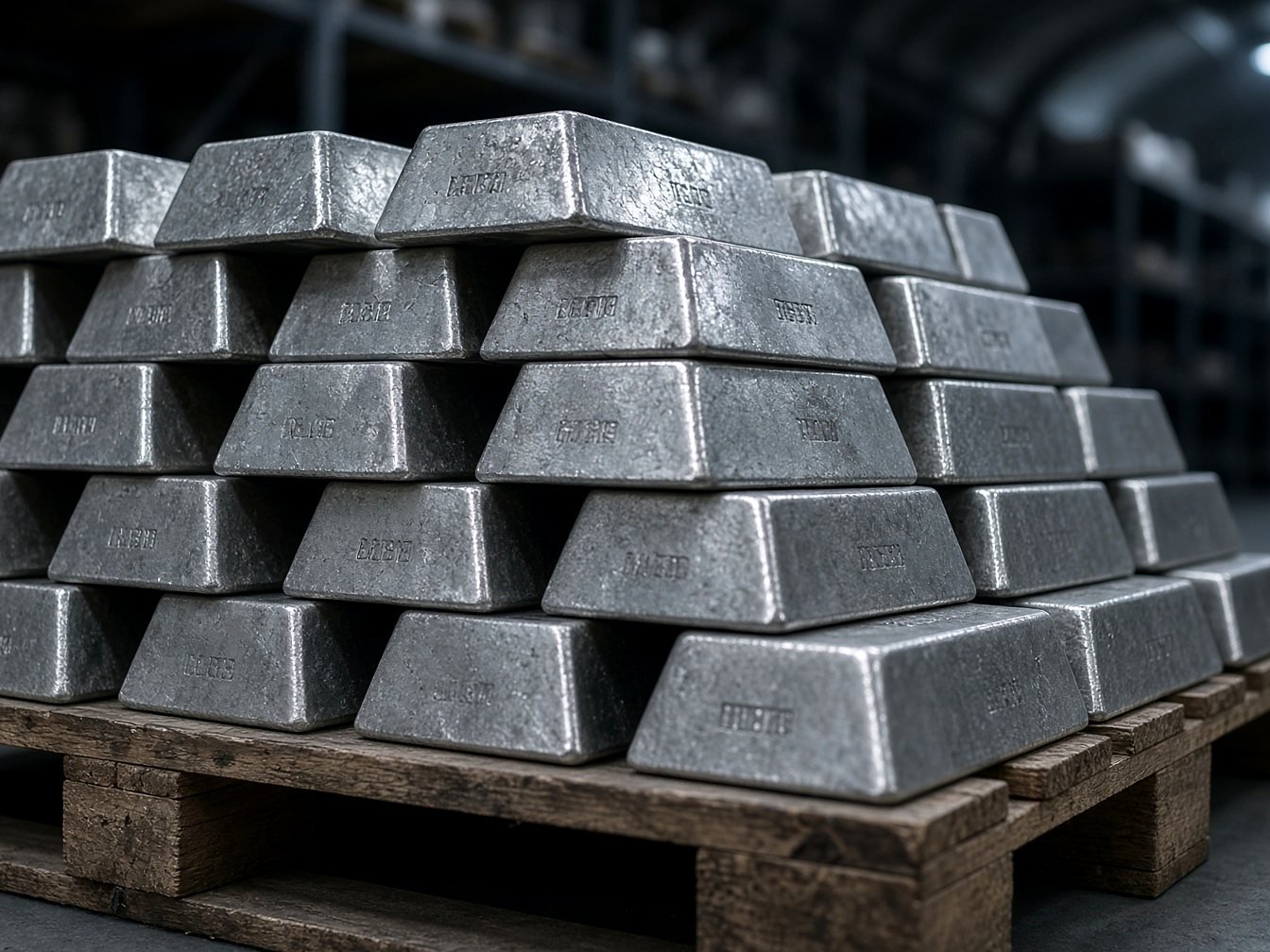
Every one of these coins and bars contains the same one troy ounce of .999 silver as an Eagle. The only difference is what you pay above spot. If your goal is ounces in hand rather than a specific design, the math is stark.
- Random-year Silver Eagles: 3% to 10% over spot. Same coin, same Mint, no current-year premium. You give up the 2026 date and save meaningfully (FindBullionPrices).
- Generic silver rounds and bars: near spot. Privately minted, no sovereign backing, lowest premium available. Pure metal exposure.
- Canadian Maple Leafs and Austrian Philharmonics: 3% to 8% over spot. Sovereign coins from respected mints, globally recognized, priced well below the Eagle (FindBullionPrices).
The gap is real money. On a $60 ounce, a 15.6% Eagle premium is about $9.36 per coin. A Maple at 5% is $3. Buy 100 ounces and you’ve saved over $600 for the same silver weight. That’s exactly the calculation that drove the May defection, and it’s why veteran buyers rotate to whatever’s cheapest when premiums stretch.
Rick Rule, who sold most of his physical silver above $100 earlier in 2026, has little patience for buyers who freeze when metal goes on sale.
“These are the types of people who if they were in a store that announced a store-wide sale, would leave the store without buying any goods.”
Rick Rule, Rule Investment Media, July 1, 2026 (Canadian Mining Report)
Is the Eagle premium ever worth paying?
Sometimes, yes. We’re not anti-Eagle. The premium buys you real things: the deepest liquidity in the retail market, instant recognition by any dealer in the country, and a coin most buyers will accept without a second look when you sell. If you value an easy exit, the brand premium is partly insurance on liquidity.
But paying 15% to 20% over spot for current-year Eagles when Maples, Philharmonics, and random-year Eagles sit at 3% to 10% is a choice, and it should be a deliberate one. Our view: for stacking ounces, buy the cheapest sovereign coin you trust. For a small position you might sell quickly to a wide range of buyers, the Eagle premium can pay for itself in convenience. Know which you’re doing.
Premiums also interact with the broader silver setup. Where the metal itself heads depends on the gold-silver ratio and macro forces we track in our gold-silver ratio breakdown, and for a wider shopping framework see our guide on how to buy silver. The premium is only one line on the receipt, but in a stretched market it’s the line you have the most control over.
Frequently asked questions
Why are Silver Eagles more expensive than other silver coins?
Silver Eagles carry a US Mint markup, a dealer margin, live demand, and a brand premium as the most recognized bullion coin in the world. In July 2026 that stacked to about 15.6% over spot (FindBullionPrices), well above generics and foreign sovereign coins holding the same ounce of silver.
How much over spot should I pay for a Silver Eagle?
In mid-2026, standard Eagle premiums ran about 15.6% over roughly $60 spot, with new 2026-dated coins at 12% to 20% (FindBullionPrices). Random-year Eagles at 3% to 10% offer the same coin for less. Anything far above these ranges is a demand spike, not a fair price.
What is the cheapest way to buy an ounce of silver?
Generic silver rounds and bars trade nearest spot, followed by Canadian Maples and Austrian Philharmonics at 3% to 8%, and random-year Eagles at 3% to 10% (FindBullionPrices). All hold the same one troy ounce of silver as a current-year Eagle at a fraction of the premium.
Why did the US Mint sell zero Silver Eagles in May 2026?
Buyers defected to cheaper coins rather than quitting silver. With 2026 Eagles carrying 12% to 20% premiums, stackers rotated to Maples, generics, and random-year Eagles. May 2026 was the first zero-sales month in the program’s 40-year history (FindBullionPrices).
Will Silver Eagle premiums come down?
Premiums move with coin availability and demand, not spot. The 2020 to 2021 panic pushed them to 88%, while exhausted mid-2026 demand held them near 15.6% (FindBullionPrices). When buyers return in force and dealers run short, premiums rise; when demand fades, they compress.
Sources: FindBullionPrices premium data; FindBullionPrices zero-sales report.
By the Commodities Unfiltered desk. Last updated July 2026.
This is market analysis, not investment advice.
Leave a Reply