

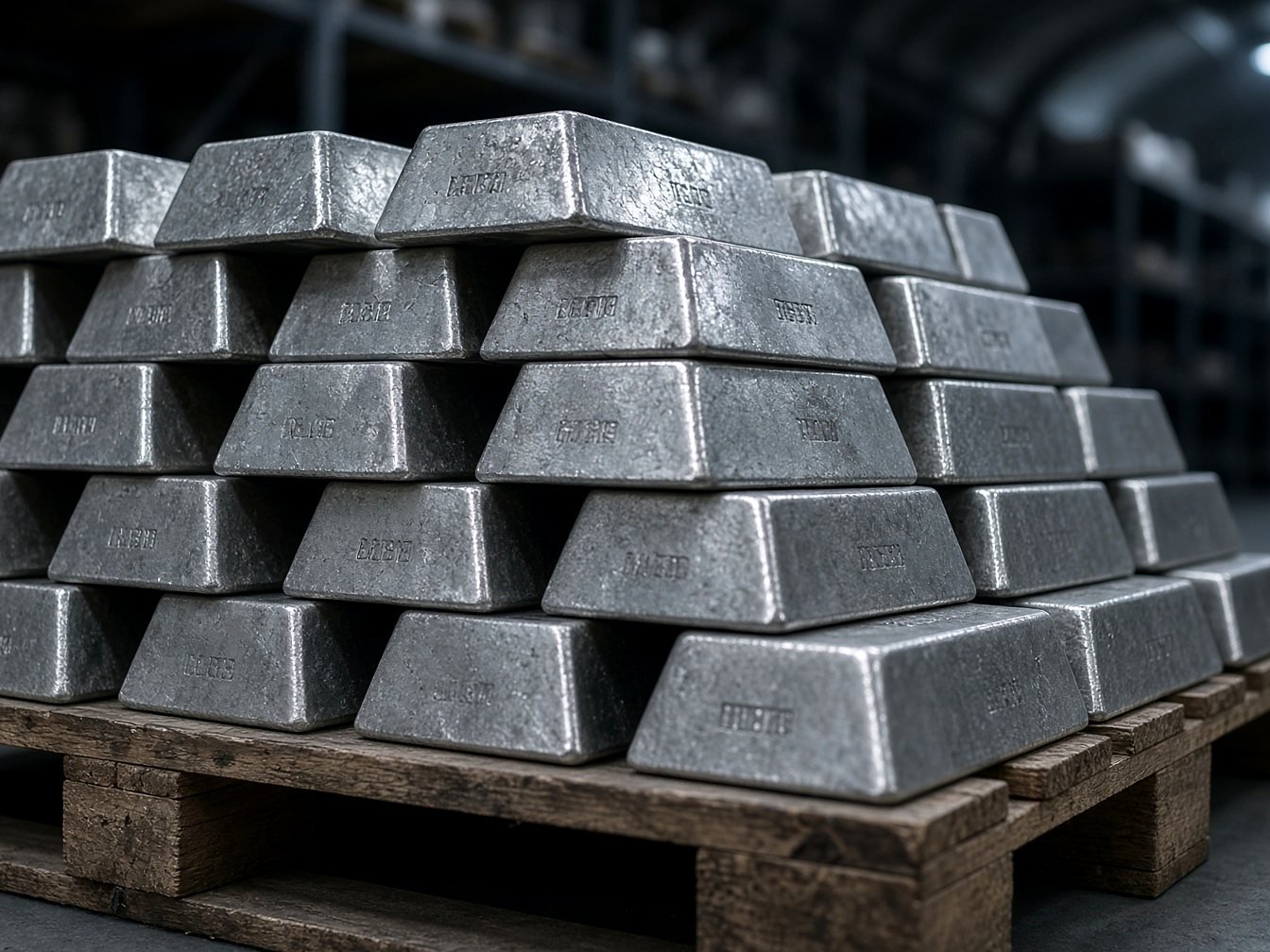
Junk silver below spot is one of the strangest things you can see in a precious-metals market, and it happened in March 2026. Bags of pre-1965 US dimes and quarters, the 90% silver coins stackers have bought for decades, changed hands at or under the spot price of the metal inside them. You were paying less than melt value. That almost never happens, and when it does, it’s telling you something the price chart won’t.
We’ll explain what junk silver actually is, why trading below spot is bizarre, what caused it this year, and what it means depending on whether you’re buying or holding. Spot silver sat near $58 to $60 through July, so this isn’t a story about a dead metal. It’s a story about a clogged pipe.
What junk silver is and why the “below spot” part is weird
Junk silver is a nickname, not an insult. It refers to circulated US coins minted in 1964 and earlier, which the mint struck in 90% silver: dimes, quarters, and half dollars. “Junk” just means the coins have no collector or numismatic premium. Nobody’s paying up for a worn 1962 Roosevelt dime because it’s rare. They’re paying for the silver.
Each $1 face value of 90% coin holds roughly 0.715 troy ounces of silver. Dealers price these bags off spot, usually with a small premium on top because the coins are convenient, divisible, and instantly recognizable. In a normal market you pay a few percent over melt. In a tight market, like early 2021, that premium can balloon.
So here’s the weird part. When junk silver trades below spot, the math inverts. You hand over less cash than the raw metal content is worth at the quoted price. The coins become a discount on silver itself.
“90% junk silver trading at or below spot, with refiner payment delays stretching up to eight weeks.”
CoinWeek, March 18, 2026
That doesn’t happen because silver got cheap. It happens because the machinery that turns your coins back into cash breaks down.
Why junk silver went below spot in 2026
Junk silver below spot signals liquidity stress in the retail channel, not weakness in silver itself. It means dealers are drowning in physical product they can’t offload fast enough. When refiners fall eight weeks behind on payments, dealers cut buyback prices below melt to protect their own cash, and the discount shows up on your receipt.
The chain of events that got us here started at the top. Silver went vertical into late January 2026, crossing $100 for the first time and peaking at $121.62 on January 29 (congress.net, July 6, 2026). Then the floor gave out. Trump’s January 30 nomination of inflation hawk Kevin Warsh to run the Fed triggered a crash, and silver fell 47% to around $64 by February 6 (congress.net, July 6, 2026).
Here’s what that spike did to the retail plumbing. According to FindBullionPrices, the January move set off the largest wave of long-term stacker selling in years. People who’d held physical silver for a decade decided triple-digit prices were their exit. Dealer buyback desks got flooded. Refinery backlogs piled up. The wholesale channel seized.
The January spike triggered the largest wave of long-term stacker selling in years, with dealer buybacks flooding in and the wholesale channel seizing up.
FindBullionPrices, 2026
When too many sellers hit the market at once, the bottleneck isn’t the metal, it’s the processing. A dealer can only front so much cash before the refiner pays them back. If the refiner is eight weeks out, the dealer has two choices: stop buying, or buy at a discount steep enough to cover the wait. Below-spot junk silver is that discount made visible.
What below-spot junk silver actually signals
Strip away the noise and a below-spot print tells you one thing clearly: the retail channel can’t absorb the product coming at it. That’s a liquidity signal, and it points in a specific direction. Retail isn’t accumulating. Retail is unloading.
A few things to keep straight about what this does and doesn’t mean:
- It’s not a price crash in disguise. Spot held near $58 to $60 in July while junk traded soft. The metal’s fine. The exit door is jammed.
- It’s a channel problem, not a demand-for-silver problem. Industrial buyers and central-adjacent flows don’t touch junk-silver bags. This is the retail-stacker layer specifically.
- It’s a mirror of the January mania. You don’t get record selling without a record top to sell into. The below-spot discount is the hangover.
- It moves with refiner capacity. As backlogs clear, the discount narrows. It’s a temporary dislocation, not a permanent feature.
The same exhaustion showed up elsewhere in the retail data. The US Mint sold zero one-ounce American Silver Eagles in May 2026, the first zero month in the program’s 40-year history (FindBullionPrices). We wrote about that collapse in our breakdown of the zero-sales month. Junk below spot and zero Eagle sales are the same story told two ways: the retail buyer stopped buying and started selling.
What it means if you’re buying versus holding
This is where the signal splits depending on which side of the trade you’re on.
If you’re a buyer, this is a bargain window. Buying physical silver under melt value is close to a structural gift. You’re getting recognizable, divisible, 90% coin for less than the spot content, with none of the premium you’d normally eat. Rick Rule, the veteran resource investor who sold most of his physical silver above $100 earlier this year, framed the broader weakness bluntly.
“The circumstance that confronts us now is a gift from God. I’m delighted that this price weakness across the board is happening.”
Rick Rule, Rule Investment Media, July 1, 2026 (Canadian Mining Report)
If you’re a holder trying to exit, it’s a slow, soft door. The same conditions that hand buyers a discount hand sellers a haircut. If you want out and you want out now, you’re selling into a channel that’s already choking on inventory. You’ll take below-melt, or you’ll wait weeks for a fill. The people who bought $80 to $100-plus silver in January and want their money back are the ones getting squeezed twice.
For a practical sense of how to shop this kind of market, our guide on how to buy silver covers where junk silver fits against coins and bars.
The contrarian read: retail exhaustion
Here’s our take, and it cuts against the gloom. Below-spot junk silver plus zero Mint sales is a textbook picture of retail exhaustion. The crowd bought the top in January, got margin-called on the way down, sold physical in record volume through the spring, and by early summer stopped buying new coins entirely. That’s capitulation in the physical market, even with spot still in the high $50s.
Contrarians read that as constructive. When the last weak-handed seller has sold, the selling pressure that’s been capping the retail channel clears. Rhona O’Connell of StoneX, one of the most-cited veteran analysts in the space, put the setup plainly.
“Weak handed and speculative holders have been washed out.”
Rhona O’Connell, StoneX, July 10, 2026 (Kitco)
We’re not calling a bottom. O’Connell herself pegs silver at $55 to $60 to finish 2026, and higher yields plus a firm dollar remain real headwinds. But a below-spot junk-silver print isn’t a sign the metal is dying. It’s a sign the retail side already died, got buried, and is quietly out of sellers. Where silver goes from here depends on macro forces we track in our silver price forecast for 2026, not on the plumbing. The plumbing just tells you the retail flush is nearly done.
Frequently asked questions
Can you really buy junk silver for less than the silver is worth?
Yes, and it happened in March 2026. When dealer buyback desks flood and refiners fall eight weeks behind on payments (CoinWeek, March 18, 2026), dealers cut prices below melt to protect cash. Buyers on the other side get 90% coin for less than its spot content.
Does below-spot junk silver mean the price is about to crash?
No. Spot silver held near $58 to $60 in July 2026 while junk traded soft. The below-spot discount reflects a clogged retail channel and refiner backlog, not weakness in the metal itself. It’s a liquidity signal, not a price forecast.
What is junk silver exactly?
Junk silver is circulated US coinage from 1964 and earlier, struck in 90% silver: dimes, quarters, and half dollars. “Junk” means no collector premium. Each $1 face value holds about 0.715 troy ounces of silver, so it’s bought purely for metal content.
Why were so many people selling silver in 2026?
Silver peaked at $121.62 on January 29, 2026, then crashed 47% after the Warsh Fed nomination (congress.net, July 6, 2026). That spike triggered the largest wave of long-term stacker selling in years per FindBullionPrices, flooding dealer buybacks and seizing the wholesale channel.
Should I buy junk silver when it’s below spot?
If you’re a long-term buyer, buying under melt value removes the premium you’d normally pay. That’s structurally favorable. If you’re trying to sell, the same conditions mean a soft, slow exit. The signal helps buyers and hurts sellers.
Sources: CoinWeek, March 18, 2026; FindBullionPrices.
By the Commodities Unfiltered desk. Last updated July 2026.
This is market analysis, not investment advice.
Leave a Reply