

How to buy gold for beginners comes down to five decisions: what form you buy, how much you pay over the spot price, who you buy from, where you store it, and how much of your money goes into it. Gold trades around $4,050 an ounce in mid-2026, so a single one-ounce coin is a real chunk of cash. Get the basics right and you avoid the two mistakes that cost new buyers the most: overpaying on premium and buying from the wrong dealer. This guide walks each decision in plain terms, no sales pitch.
The forms of gold you can actually buy
Physical gold comes in a handful of formats, and they aren’t interchangeable.
- Sovereign bullion coins. Struck by government mints: American Gold Eagle, Canadian Maple Leaf, South African Krugerrand, Austrian Philharmonic. Recognized worldwide, easy to sell, and the default for most first-time buyers.
- Generic gold bars and rounds. Made by private refiners like PAMP Suisse, Valcambi, or Asahi. Rounds look like coins but carry no legal tender face value. Honestly, generics are the best value for most people because you pay less over spot.
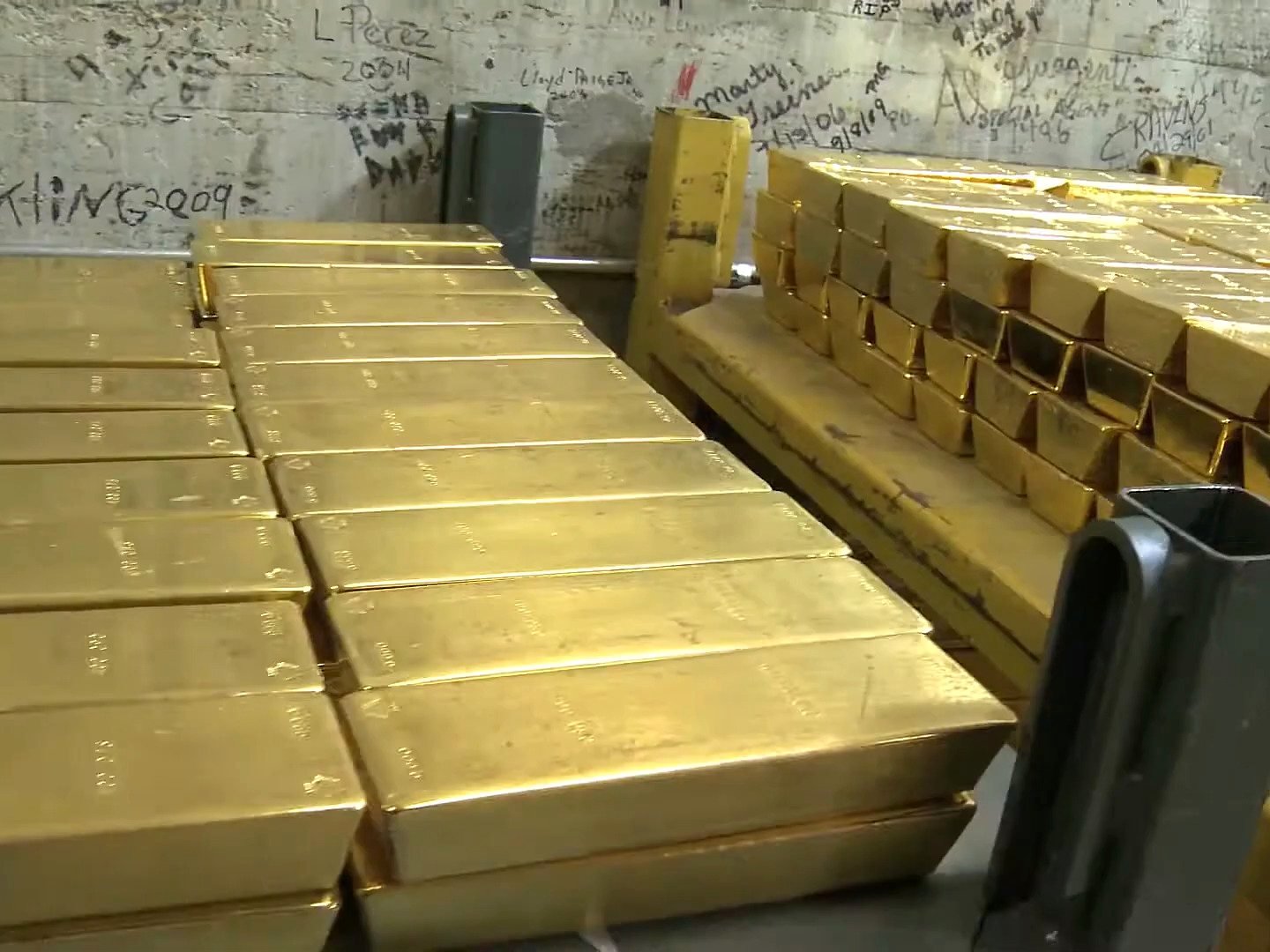
- Gold bars. Range from 1 gram up to a 400-ounce “good delivery” brick you’ll never touch. For a beginner, a 1-ounce or 10-ounce bar is the practical ceiling. Bigger bars cost less per ounce but are harder to sell in pieces.
- Fractional coins. Half, quarter, and tenth-ounce sizes. Handy for smaller units to trade or gift, but the premium per ounce climbs fast as the coins shrink.
- Gold ETFs. Not metal in your hand, but a share in a fund that holds gold. Cheap, liquid, taxed differently, and you never take delivery. We compare these in physical gold vs ETF.
If you want metal you can hold, start with sovereign coins or generic one-ounce products. If you want gold exposure inside a brokerage account without storage headaches, an ETF does the job. They solve different problems.
What premium means and why it matters
The premium is the amount you pay above the gold spot price to cover minting, distribution, and dealer margin. On a one-ounce coin at roughly $4,050 spot in 2026, a typical premium runs about 3 to 6 percent, so you might pay $4,170 to $4,290. Lower premium means more gold per dollar.
Spot is the live market price for an ounce of pure gold. You’ll almost never pay exactly spot, because someone has to mint the coin, ship it, insure it, and make a margin. That gap is the premium.
Premium is the number beginners underweight. Two coins can hold the identical ounce of gold, one at 4 percent over spot and one at 9 percent. When you sell, dealers pay you on gold content, not on what you paid over spot. Overpay and you start underwater.
Rough premium tiers as of 2026, and these move with the market and with demand spikes:
- Lowest: generic bars and rounds, often around 2 to 5 percent over spot on one-ounce sizes.
- Middle: Krugerrands and Maple Leafs, commonly 3 to 6 percent.
- Higher: American Gold Eagles, frequently 4 to 8 percent because of brand demand and IRA eligibility.
- Highest: fractional coins and anything marketed as “collectible,” “proof,” or “limited mintage,” which can run 10 percent to well over 50 percent.
During buying panics, premiums balloon regardless of product. In quiet markets they compress. Buy when things are calm and you keep more gold per dollar.
Spot vs ask, and reading a dealer quote
Dealers quote two numbers. The ask is what they sell to you for. The bid is what they buy back from you at. The difference is the spread, and it’s how the shop makes money.
When you compare dealers, don’t stare at the headline price alone. Add up the total:
- The product price (spot plus premium).
- Shipping and insurance, sometimes free above a spending threshold.
- Payment method surcharge. Paying by credit card often adds roughly 3 to 4 percent. Bank wire or check usually gets the lowest price.
- Any sales tax in your state, which varies a lot.
A dealer advertising a rock-bottom coin price that tacks on a fat card fee and pricey shipping can cost more than the shop with the “higher” sticker. Compare total landed cost per ounce.
Choosing a reputable dealer and avoiding scams
This is where beginners get burned, so slow down here. A good dealer is boring: transparent pricing, years of history, real reviews, and a published buyback policy.
What to check before you send money:
- Track record. How long have they operated? Do they have a physical address and a phone number a human answers?
- Reviews across sources. Look at independent review sites and forums, not just testimonials on the dealer’s own page.
- Live pricing. Reputable shops post prices that update with the market. Be wary of anyone who won’t quote until they get you on the phone.
- Buyback policy. A dealer confident in their product will tell you exactly how they buy it back.
- Sane premiums. If a coin costs far more than everywhere else, there’s a reason, and it’s rarely in your favor.
Common scams to sidestep:
- The bait and switch to “rare” coins. You call about a cheap bullion coin, and the salesperson pushes you toward high-margin “collectible” or “graded” coins with premiums that dwarf the metal value. Politely decline.
- Fear-based cold calls. Anyone using scare tactics, a “government confiscation” pitch, or a ticking-clock discount is selling emotion, not gold.
- Counterfeits from marketplaces. Fake bars and coins circulate on general auction and classified sites. Buy from established bullion dealers, not random sellers.
Favor bars that ship in tamper-evident assay cards. For coins, learn the weight and dimensions of what you’re buying, because fakes often get the size slightly wrong.
Where to store your gold
Once you own metal, you have to keep it somewhere safe. Three main options, each with trade-offs.
| Storage option | Upside | Downside |
|---|---|---|
| Home safe | Instant access, no ongoing fee, full privacy | Theft and fire risk; needs a quality bolted safe; check your homeowner’s insurance limits for cash and metals |
| Bank safe deposit box | Cheap, secure building | Contents are not FDIC insured; limited access hours; the bank can seal the box in some legal situations |
| Private depository | High security, insured, easy to sell without shipping; required for a gold IRA | Annual storage fee, roughly 0.5 to 1 percent of value or a flat rate; metal isn’t in your hands |
A practical middle path: keep a small amount at home for access, and hold the larger position in an insured depository. For a retirement account, depository storage isn’t optional. The rules are strict, and we cover them in gold IRA rules. Storing IRA gold at home is a route to tax penalties, not a clever loophole.
How much gold should you own
No honest writer can tell you a personal number, and anyone who does without knowing your finances is guessing or selling. What we can give you is the framing most sensible investors use.
- Gold is usually treated as portfolio insurance and an inflation hedge, not a growth engine. It pays no dividend and no interest.
- A commonly cited range for a diversification allocation is around 5 to 10 percent of investable assets. That’s a convention, not a rule handed down from on high.
- Buy with money you won’t need soon. Gold has brutal down years. It fell about 25 percent from its January 2026 peak before settling near $4,050 by mid-year.
- Don’t borrow to buy it, and don’t put your emergency fund into coins.
Two more things to plan before you buy. Taxes: physical gold held in the US is generally taxed as a collectible, which can mean a higher capital gains rate than stocks. Read capital gains tax on gold before you sell anything. And think about your exit now. Owning gold is easy; selling it fast at a fair price is the part people forget to plan for, which is why liquid, widely recognized coins beat obscure products.
Common beginner mistakes
- Overpaying on premium by buying “collectible” coins when you wanted bullion.
- Getting talked into graded or proof coins over the phone.
- Ignoring the credit card surcharge and shipping when comparing dealers.
- Buying tiny fractional coins and eating a huge premium per ounce.
- Storing IRA gold at home and triggering penalties.
- Buying during a panic spike when premiums are at their worst.
- Not checking a dealer’s reputation before wiring money.
Frequently asked questions
How much money do you need to start buying gold?
Less than you’d think. A tenth-ounce coin runs a few hundred dollars, and gram-size bars are cheaper still. Just know that small units carry the highest premium per ounce, so you pay more over spot for the convenience. If you can, one-ounce products give you better value.
Is it better to buy gold coins or bars?
Coins are more recognizable and easier to sell in small amounts, which is why beginners usually start there. Bars, especially generic ones, cost a bit less over spot. For most first-time buyers, one-ounce sovereign coins or one-ounce generic rounds hit the sweet spot between liquidity and price.
Where is the safest place to buy gold?
From an established bullion dealer with a long track record, transparent live pricing, and a clear buyback policy. Both large online dealers and reputable local coin shops work. Avoid cold callers, general auction sites, and anyone pushing “rare” coins over ordinary bullion.
Do you pay tax when you buy gold?
Sometimes at purchase, depending on your state’s sales tax rules on bullion, which vary widely. The bigger tax event usually comes when you sell at a profit. In the US, physical gold is generally taxed as a collectible. See our full breakdown in capital gains tax on gold.
How do I avoid buying fake gold?
Buy from trusted dealers, favor bars sealed in tamper-evident assay cards, and learn the exact weight and dimensions of any coin before you purchase. Counterfeits often get the size slightly wrong. If a price sits near or below spot from an unknown seller, treat it as a red flag.
By the Commodities Unfiltered desk. Last updated July 2026.
This is market analysis, not investment advice.
Leave a Reply