

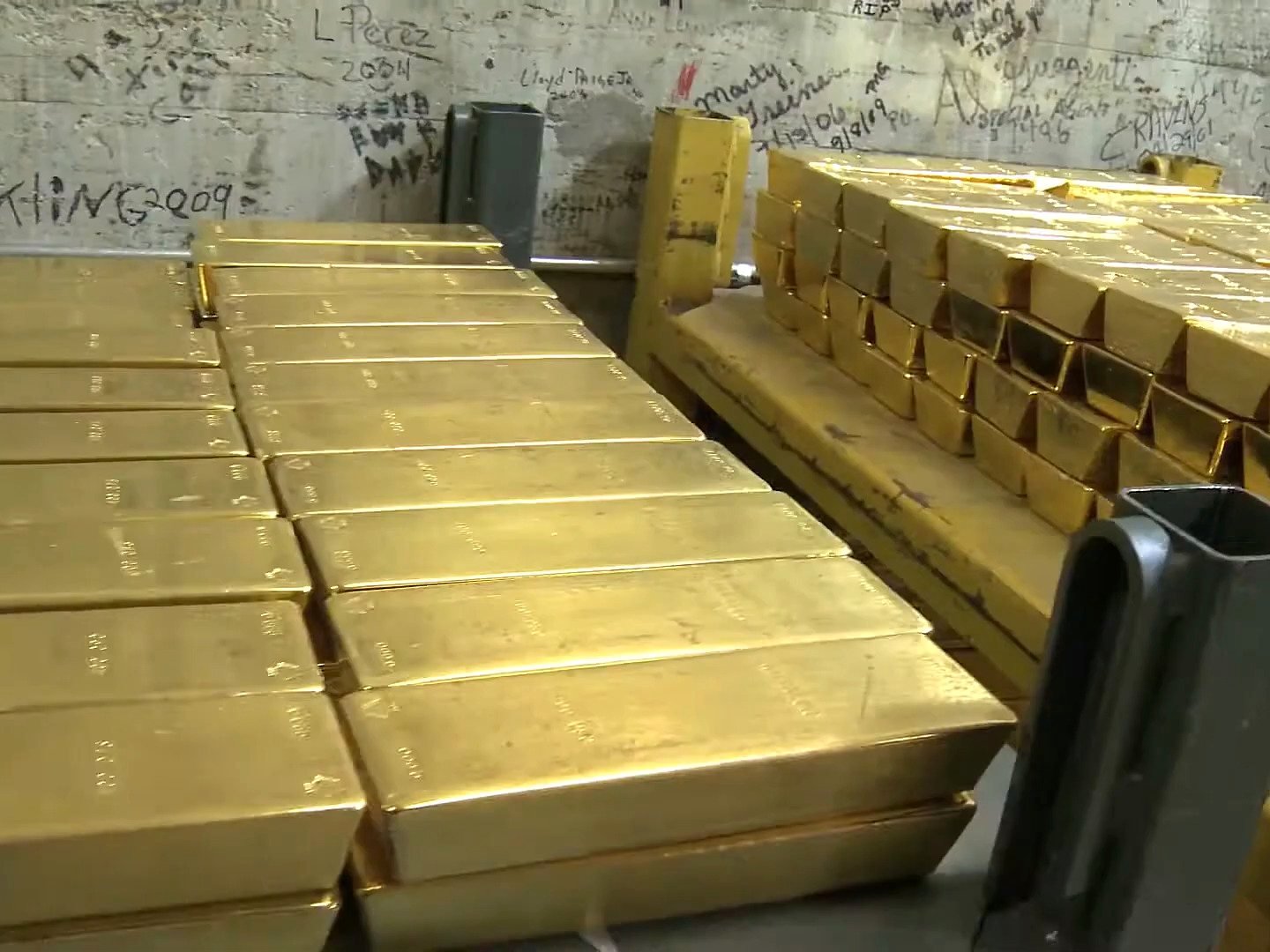
Central banks are buying gold because they want an asset no other country can freeze, print, or default on. That’s the short answer. The longer one, backed by the World Gold Council’s 2026 Central Bank Gold Reserves Survey (June 16, 2026), is that a record 45% of central banks plan to add to their own gold holdings over the next year, up from 43% the year before. They watched gold hold its value through a brutal 2026 correction, they’re quietly trimming dollar exposure, and they don’t trust the fiscal math in Washington. That combination keeps the official sector bidding even when the retail crowd panics.
What central banks actually know that most investors don’t
Here’s the snippet version: central banks buy gold as insurance against currency debasement, sanctions risk, and financial crises, because it’s the only reserve asset with no counterparty. The 2026 WGC survey shows 89% of central banks expect global official gold holdings to rise over the next 12 months, and 84% expect gold’s share of total reserves to grow over five years. They’re voting with balance sheets, not tweets.
The people running reserve portfolios don’t care about a good week or a bad month. They care about what an asset does when everything else breaks. That’s the thread running through Shaokai Fan’s read on the survey.
“Central banks are still very positive on gold. In fact, more positive than ever.” Shaokai Fan, Global Head of Central Banks, World Gold Council (WGC 2026 Central Bank Gold Reserves Survey, June 16, 2026)
Fan flagged something the headline numbers miss. It isn’t just the usual suspects loading up. “We’re seeing newer central banks starting to emerge,” he said, and “the base on which central banks are buying is expanding.” When a wider set of countries starts treating gold as a core holding rather than a legacy relic, that’s a structural shift, not a trade.
The crisis-performance test gold just passed
Gold had an ugly 2026. It fell 14.1% in Q2, the worst quarter since 2013, and dipped below $4,000 in late June for the first time since November 2025 (Kitco/Invesco, July 8, 2026). By July 21 it had clawed back to roughly $4,057 (Kitco, July 21, 2026). A retail investor sees that chart and feels sick. A reserve manager sees something different.
Ask Fan what mattered most in this year’s survey and the answer is blunt.
“The most relevant factor this year was gold’s performance during times of crisis.” Shaokai Fan, WGC (Kitco, June 16, 2026)
Think about what gold sat through in the first half of 2026. A hawkish new Fed chair. A live shooting war around the Strait of Hormuz. A dollar index above 100. Rising real yields. Every one of those is a textbook headwind for a non-yielding asset. Gold corrected, sure, but it didn’t collapse, and it was still up more than 20% over the trailing 12 months even at the Q2 lows. For a central bank, that’s the whole point. The metal did its job under stress. That earns it a bigger allocation, not a smaller one.
Follow the actual buying, not the forecasts
Survey intentions are nice. Tonnage is better. The buying in 2026 has been real and concentrated:
- China (PBoC): bought 15 tonnes in June, its largest single-month purchase since October 2023, lifting reserves to 2,346 tonnes (Price Catalysts Report, compiled July 23, 2026). China also imported 692 tonnes year-to-date through May, up 76% year over year (Kitco, June 29, 2026).
- Global net buying: the official sector added a net 244 tonnes in Q1 2026, then a net 41 tonnes in May alone (Price Catalysts Report, July 23, 2026).
- Poland: added 18 tonnes in May and is targeting 700 tonnes of total reserves (Price Catalysts Report, July 23, 2026).
- Everyone else: May buyers included Uzbekistan, Kazakhstan, and Singapore stepping back in, alongside China’s 10 tonnes.
That May 2026 buyers’ list matters more than any single big number. It’s geographically spread out. Emerging Asia, Central Asia, Central Europe, a wealthy city-state. These aren’t coordinated. They’re independent decisions pointing the same direction, which is exactly what Fan meant by the buying base expanding.
De-dollarization, or “quiet quitting”
The survey’s most pointed finding: 74% of central banks expect the U.S. dollar’s share of global reserves to decline. That’s not a fringe view anymore, it’s the majority. But we’d caution against the loud version of this story. Nobody’s dumping Treasuries overnight and pricing oil in gold bars by Christmas.
Natixis US economist Christopher Hodge framed it better than anyone. He described the central-bank move away from the dollar as “more of a ‘quiet quitting'” (Kitco, July 15, 2026). That’s the right mental model. Reserve managers aren’t staging a dramatic exit. They’re slowly, deliberately reducing how much they depend on one country’s currency and one country’s payment rails, and gold is where a chunk of that redirected money goes. When 84% expect gold’s reserve share to grow over five years and 74% expect the dollar’s to shrink, those two numbers are the same trade viewed from both ends.
The debasement angle sits underneath all of it. U.S. deficits are running near $2 trillion and federal debt is above $35 trillion (CBO, February 2026). A reserve manager holding dollars is holding a claim on a government that’s issuing debt faster than its economy grows. Gold has no such issuer. That’s the debasement trade in one sentence, and it’s the same logic whether a hedge fund or a central bank is running it.
The bear case: don’t mistake buyers for a floor
Now the honest counterweight, because central-bank demand is not a magic price floor. A few things worth keeping in view:
- Buyers are price-sensitive. Central banks tend to accumulate on weakness. That supports gold during corrections, but it can also cap rallies when official buyers step back at higher prices.
- Reported tonnage lags and understates. Rhona O’Connell of StoneX has noted China may hold roughly 4,000 tonnes of undeclared gold (Kitco, July 10, 2026). Opacity cuts both ways, and it means the “official” numbers are estimates, not gospel.
- Policy can shift. China spent mid-2026 overhauling its gold import/export regime and reducing the PBoC’s direct role (Kitco, June 29, 2026). Institutional plumbing changes can slow flows even when intent is intact.
- It’s slow money. A “quiet quitting” from the dollar is, by definition, gradual. If you’re expecting central-bank demand to send gold vertical this quarter, you’ve misread the pace.
None of that changes the direction. It changes the speed and the certainty. Central-bank buying is a multi-year tailwind, not a next-week catalyst, and treating it as the latter is how people get chopped up.
So why are central banks buying gold in 2026?
Strip away the noise and it comes down to three things they can see clearly. Gold held up when the world got scary in the first half of 2026. The dollar’s dominance is fading, slowly, and they’d rather get ahead of it than react to it. And the fiscal picture behind the world’s reserve currency keeps deteriorating. A record 45% planning to add, 89% expecting global holdings to rise, 76 respondents (also a record) all pointing the same way. That’s not a fad. That’s a re-rating of what gold is for.
“89% of central banks expect global gold reserves to increase.” Rhona O’Connell, Head of Market Analysis EMEA & Asia, StoneX (Kitco, July 10, 2026)
Our take: the official sector is the most patient, best-informed, least emotional buyer in this market, and it’s telling you what it thinks of paper promises. You don’t have to match their conviction. But you should know which way the smartest slow money is leaning before you bet against it.
Frequently asked questions
Why are central banks buying gold instead of dollars?
Because gold carries no counterparty risk and can’t be frozen or sanctioned, while dollar reserves depend on U.S. policy and payment systems. The 2026 WGC survey found 74% of central banks expect the dollar’s reserve share to decline and 84% expect gold’s share to grow over five years (WGC, June 16, 2026).
How much gold did central banks buy in 2026?
The official sector bought a net 244 tonnes in Q1 2026 and a further net 41 tonnes in May (Price Catalysts Report, July 23, 2026). China’s PBoC alone added 15 tonnes in June, its biggest month since October 2023, bringing reserves to 2,346 tonnes.
Which central banks are buying the most gold?
China is the standout, importing 692 tonnes year-to-date through May, up 76% year over year (Kitco, June 29, 2026). Poland is targeting 700 tonnes of total reserves, and May buyers also included Uzbekistan, Kazakhstan, and Singapore (Price Catalysts Report, July 23, 2026).
Does central-bank buying mean gold can’t fall?
No. Central banks tend to buy on dips, which supports prices during corrections, but they can also step back at higher levels. Gold still fell 14.1% in Q2 2026 despite steady official demand (Kitco/Invesco, July 8, 2026). It’s a floor-builder, not a guarantee.
Is de-dollarization actually happening?
Slowly. Natixis economist Christopher Hodge called it “more of a ‘quiet quitting'” rather than a sudden break (Kitco, July 15, 2026). Central banks are gradually trimming dollar dependence and redirecting some of it into gold, but Treasuries remain central to global reserves.
For more on the tug-of-war between these buyers and the macro headwinds, see our gold price forecast for 2026, and if you’re weighing how to hold the metal yourself, our breakdown of physical gold versus ETFs. The full survey lives at gold.org.
By the Commodities Unfiltered desk. Last updated July 2026.
This is market analysis, not investment advice.
Leave a Reply